 how-to
Consistent Crew for Home Additions: Why It Matters
Table of Contents
- Why a Consistent Crew Throughout Your Project Matters
- Benefits of Dedicated Construction Crews
- Questions to Ask Before Hiring a Painting Contractor
- Average Timeline for Custom Home Additions
- How to Ensure Your Contractor Uses a Consistent Crew
- Permitting and Zoning Considerations for Home Additions
- Post-Construction Maintenance After Your Addition
- Frequently Asked Questions
Last Updated: August 28, 2026
Why a Consistent Crew Throughout Your Project Matters
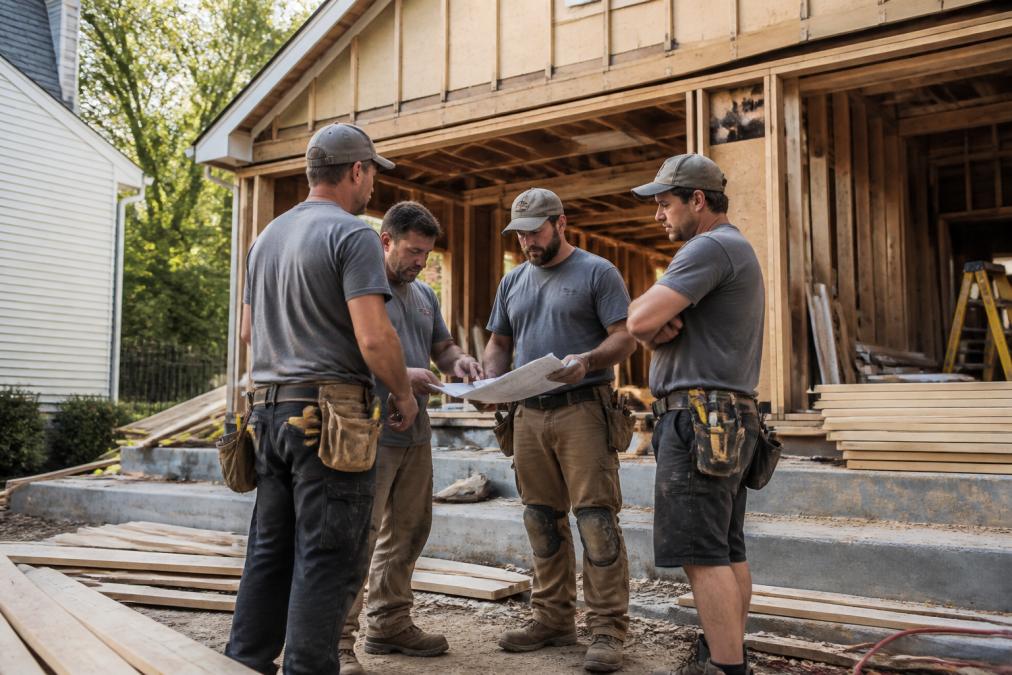
When you hire a contractor for a custom home addition or painting project, you're investing in continuity. A consistent crew throughout the project means the same skilled professionals understand your home's unique challenges and your family's needs from start to finish.
Rotating crews create friction. A new painter doesn't know the wall prep work the previous team completed. A different framing crew misinterprets structural specifications. Communication breaks down. Mistakes multiply. Timelines slip.
At Handy Gonzo's Home Improvements, we've spent over three and a half decades watching this play out. The projects that run smoothly, stay on budget, and exceed expectations have one thing in common: the same team that started the job finishes it. They understand the blueprint, remember client preferences, and catch problems before they become expensive.
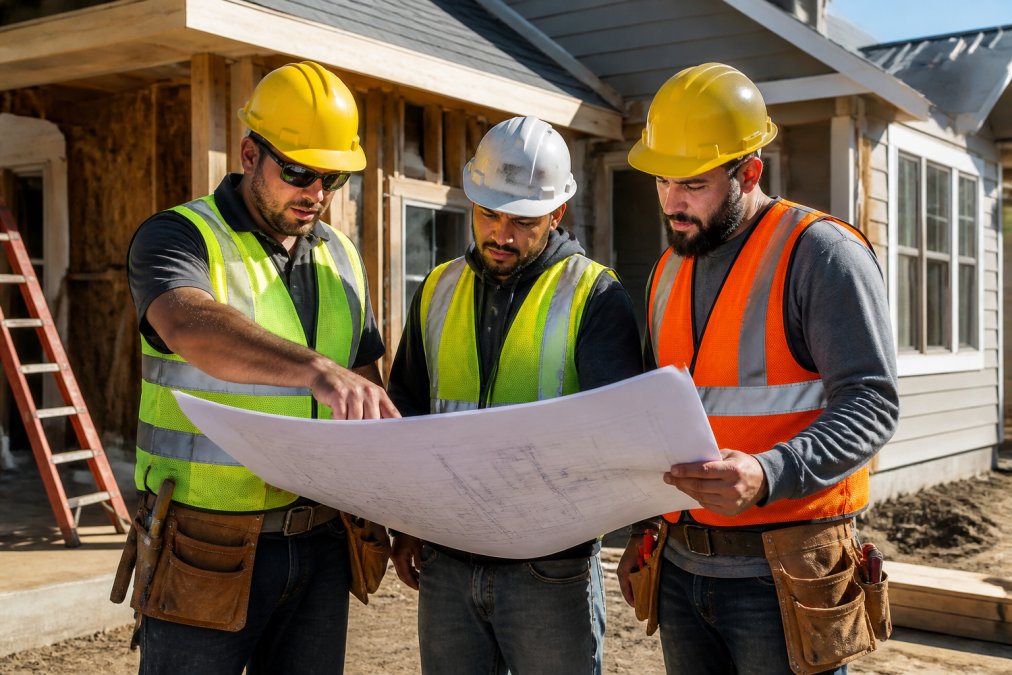
This consistency matters most when you're living in your home during construction. Your family needs to feel confident that the crew respects your space, maintains safety standards, and treats your property like their own. A consistent crew becomes almost an extension of your household.
The difference shows in the details. Consistent crews catch their own mistakes and fix them without being asked. They notice when a paint color looks different under your home's specific lighting and adjust. They understand your family's daily routine and work around it. That level of ownership only happens when the same people are accountable for the entire project.
Benefits of Dedicated Construction Crews
Dedicated crews deliver results that scattered labor simply cannot match. When the same team owns a project from foundation to final touches, quality improves measurably.
Accountability becomes personal. A crew member who knows they'll be back tomorrow to see the consequences of today's work performs differently. They care about the finish because their reputation depends on it.
Workflow efficiency increases. Crews that work together develop rhythm. The framing team knows exactly how the electrician will need walls prepped. There's no wasted time explaining processes or redoing work because of miscommunication.
Problem-solving accelerates. When unexpected issues arise, a consistent crew solves them faster. They understand the project's history and constraints and can discuss options honestly.
Your home stays livable. With a dedicated crew, you establish routines together. They know when your kids get home from school, when you need the bathroom functional, which rooms are off-limits. According to the National Association of Home Builders, homeowners report significantly lower stress levels when they maintain consistent communication with a single project team.
Cost control becomes real. Dedicated crews don't waste time on rework or re-explaining specifications. There are fewer surprises, fewer change orders, and fewer expensive corrections.
Timeline reliability improves. Crews that work together consistently hit schedules more accurately because they know what comes next and coordinate seamlessly.
Questions to Ask Before Hiring a Painting Contractor
Asking the right questions before you sign a contract separates contractors who understand your needs from those who simply want the job.
"Will the same crew paint my entire home, or will different teams rotate through?" This is your first filter. A contractor confident in their crew will say yes immediately. Hesitation suggests they're juggling multiple projects with rotating labor.
"How long have your painters worked together as a team?" Established teams develop efficiency and quality standards that new combinations cannot match.
"What's your process for quality control during the project?" You want daily accountability, not weekly check-ins from someone unfamiliar with the work.
"Can you provide references from homes similar to mine completed in the last year?" Call those homeowners and ask directly: "Was it the same crew the entire time? Did the quality stay consistent?"
"What happens if someone on my crew gets sick or needs to leave the project?" A good contractor has a plan. A vague answer suggests they'll throw whoever's available at your project.
"How do you handle communication between me and the crew?" You need a single point of contact, ideally someone on the crew itself. Daily check-ins with the same person build trust and catch issues early.
"What's included in your estimate, and what typically causes changes?" A contractor who can explain exactly what's included is organized enough to maintain crew consistency.
Average Timeline for Custom Home Additions
The duration of a custom home addition depends on scope, permits, and complexity.
A modest addition (one bedroom or bathroom extension) typically takes 8 to 12 weeks from permit approval to completion (nahb.org). Larger additions (a second story or full master suite) usually run 16 to 24 weeks.
The timeline breaks down roughly like this:
Permitting and planning: 2 to 4 weeks before construction starts.
Foundation and framing: 3 to 5 weeks for smaller additions, 6 to 10 weeks for larger ones. A consistent crew minimizes weather delays because they're not waiting for new team members to arrive.
Utilities and rough-in work: 2 to 3 weeks. A crew familiar with local code preferences navigates inspections faster.
Drywall, insulation, and finishing: 3 to 6 weeks. This is where consistency shows most visibly in paint quality and trim work.
Final inspections and punch-list work: 1 to 2 weeks. A dedicated crew knows exactly what needs fixing because they built it.
Weather, permit delays, and material availability affect every timeline. A consistent crew adapts to these challenges more flexibly because they're invested in finishing well.
How to Ensure Your Contractor Uses a Consistent Crew
Protecting yourself against crew rotation starts before you sign the contract and continues through the final walkthrough.
Put it in writing. Your contract should explicitly state that a named crew will handle the project from start to finish, with provisions for illness or emergency only.
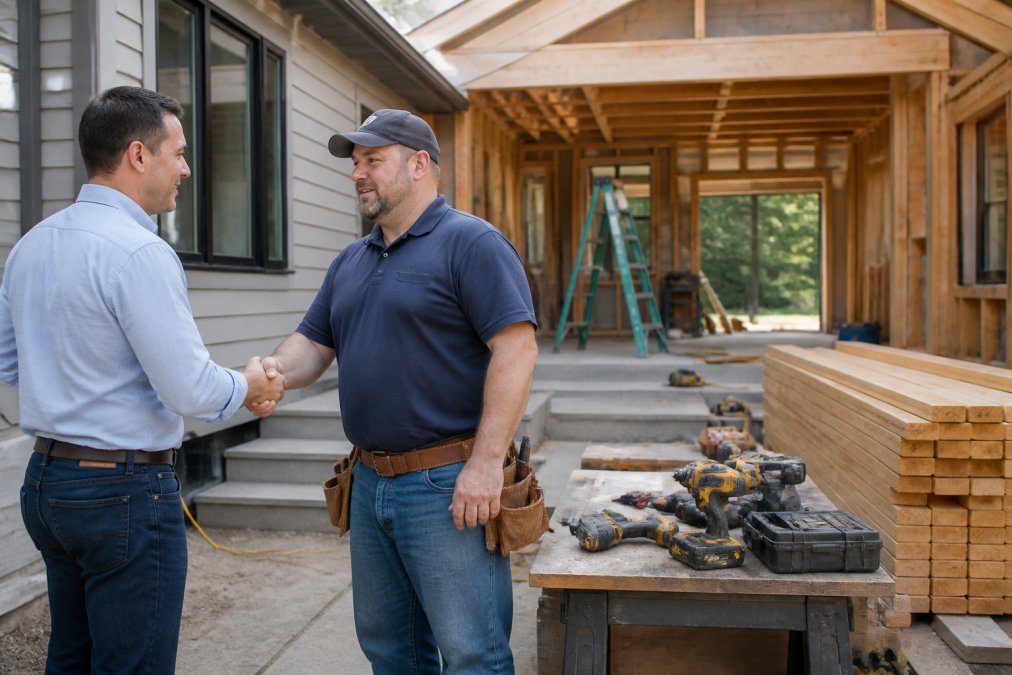
Meet the crew before work starts. Schedule a pre-construction meeting where you meet the people who will actually be working on your home. This establishes accountability.
Establish a single point of contact. Designate one crew member, ideally the lead or foreman, as your daily contact. This person answers questions, reports progress, and escalates concerns.
Schedule regular check-ins. Daily or every other day is ideal for active construction phases. A five-minute conversation with the same person keeps you informed and ensures nothing falls through cracks.
Document crew composition early. Take photos of the crew on day one and note names and roles. You'll immediately notice if different people show up.
Include performance clauses in your contract. If crew rotation happens without your approval, that's grounds for withholding payment or terminating the contract.
Ask about backup plans. What happens if the lead painter gets injured? A professional contractor has trained backups that maintain quality standards.
Request progress photos. Ask the crew to photograph work at the end of each phase. You'll notice if different crews are handling different phases because the work style changes.
Permitting and Zoning Considerations for Home Additions
Custom home additions in the DFW area require permits and must comply with local zoning regulations.
Permit requirements vary by jurisdiction. Most municipalities require permits for any addition that adds square footage, changes the home's footprint, or involves structural work. The permit process typically includes submission of detailed plans, review by the building department (usually 2-4 weeks), plan examiner feedback, approval, and on-site inspections at key phases.
Zoning restrictions affect what you can build. Setback requirements dictate how far your addition must be from property lines. Height restrictions limit how tall the addition can be. Lot coverage limits cap the percentage of your lot that can be built on.
Utility easements and restrictions may limit where you can build. Your property may have easements for water lines, sewer, electrical, or gas utilities that restrict building.
Historic district designation changes the rules. Some DFW neighborhoods have historic district status, which imposes additional design review requirements.
HOA restrictions apply if you live in a covenant-controlled community. Approval from the HOA is separate from municipal permits.
A contractor experienced in the DFW area and working with a consistent crew understands these local variations and saves weeks of back-and-forth.
Post-Construction Maintenance After Your Addition
Once your addition is complete, proper maintenance prevents small issues from becoming expensive problems.
Seal all new exterior surfaces within the first month. New wood, caulk, and paint need time to cure fully. Wait until the contractor confirms curing is complete, then apply exterior sealant to all wood joints, caulk lines, and paint edges.
Monitor for settling and movement. New additions settle slightly as the foundation stabilizes. Small cracks in drywall or paint are normal in the first few months. If cracks are wider than 1/8 inch or growing visibly, contact your contractor.
Check all caulk and sealant annually. Cracked or missing caulk allows water inside. Reapply caulk annually or as needed.
Inspect the roof and flashing where the addition meets the existing roof. Improper installation or deterioration causes leaks inside walls.
Maintain gutters and downspouts. Keep them clear of debris and ensure water drains away from the foundation.
Paint and stain maintenance depends on climate exposure. Exterior paint typically lasts 5-7 years in the DFW climate (the EPA). Plan repainting before deterioration exposes bare wood.
Check interior caulk and paint annually. These are early warnings of larger problems, usually water intrusion from the exterior.
Monitor HVAC performance in the new space. If the new room is too hot or cold compared to the rest of your home, contact your HVAC contractor.
Document everything. Keep receipts for all maintenance work to protect your home's resale value and support any warranty claims.
A consistent crew throughout your project isn't a luxury, it's the foundation of a successful addition or painting project. The same team that understands your home's structure, your family's needs, and your expectations delivers better results, stays on schedule, and respects your space in ways rotating crews simply cannot match.
At Handy Gonzo's Home Improvements, we've built our reputation on exactly this principle. Our dedicated, multi-trade crews stay with your project from start to finish, maintaining clean job sites daily and delivering transparent communication every step of the way. With over three and a half decades of experience in the DFW area, we know the local permitting landscape, the building inspector preferences, and how to keep your home livable during active construction. Get a free estimate from Handy Gonzo's Home Improvements and experience the difference a consistent crew makes.
=== FAQ ANSWERS (audit these too, same rules) ===
[1] Q: Why is it important to have the same crew on a home renovation project? A: A consistent crew builds familiarity with your project from day one. Team members understand the design intent, your preferences, and the work already completed, which reduces rework and mistakes. They develop continuity in craftsmanship, maintain accountability for quality, and communicate more effectively because they know each other's work styles. Projects with the same crew can often finish on schedule and within budget more consistently than those with rotating workers.
[2] Q: How do I ensure my contractor uses a consistent team throughout a custom home addition? A: Ask your contractor directly about their staffing practices before signing a contract. Request the names and roles of the core team members who will work on your project. Ask how they handle crew changes and whether they have backup staff trained on your specific project. A reliable contractor will often provide a dedicated project manager and consistent crew as part of their service model. Get this commitment in writing in your contract to hold them accountable.
[3] Q: What should I ask a contractor about their crew management? A: Ask: Who is my single point of contact? Will the same crew start and finish my project? How do you handle absences or emergencies? Are your crew members employees or subcontractors? How long have your team members worked together? A contractor who answers these questions clearly and confidently is more likely to deliver consistent results.
[4] Q: How does a consistent crew impact the timeline of a home addition? A: A dedicated crew typically completes projects faster because there is no learning curve or ramp-up time. Team members know the site layout, understand the design, and work efficiently together. Fewer crew changes mean fewer delays from new workers learning the project scope. Projects with consistent crews often stay on schedule, while projects with rotating crews can experience delays and extended timelines due to miscommunication and rework.
Frequently Asked Questions
Q: Why is it important to have the same crew on a home renovation project?
A: A consistent crew builds familiarity with your project from day one. Team members understand the design intent, your preferences, and the work already completed, which reduces rework and mistakes. They develop continuity in craftsmanship, maintain accountability for quality, and communicate more effectively because they know each other's work styles. Projects with the same crew can often finish on schedule and within budget more consistently than those with rotating workers.
Q: How do I ensure my contractor uses a consistent team throughout a custom home addition?
A: Ask your contractor directly about their staffing practices before signing a contract. Request the names and roles of the core team members who will work on your project. Ask how they handle crew changes and whether they have backup staff trained on your specific project. A reliable contractor will often provide a dedicated project manager and consistent crew as part of their service model. Get this commitment in writing in your contract to hold them accountable.
Q: What should I ask a contractor about their crew management?
A: Ask: Who is my single point of contact? Will the same crew start and finish my project? How do you handle absences or emergencies? Are your crew members employees or subcontractors? How long have your team members worked together? A contractor who answers these questions clearly and confidently is more likely to deliver consistent results.
Q: How does a consistent crew impact the timeline of a home addition?
A: A dedicated crew typically completes projects faster because there is no learning curve or ramp-up time. Team members know the site layout, understand the design, and work efficiently together. Fewer crew changes mean fewer delays from new workers learning the project scope. Projects with consistent crews often stay on schedule, while projects with rotating crews can experience delays and extended timelines due to miscommunication and rework.