 how-to
When Should You Hire a Professional for Bathroom Electrical Work?
Last Updated: October 24, 2026
Quick Summary
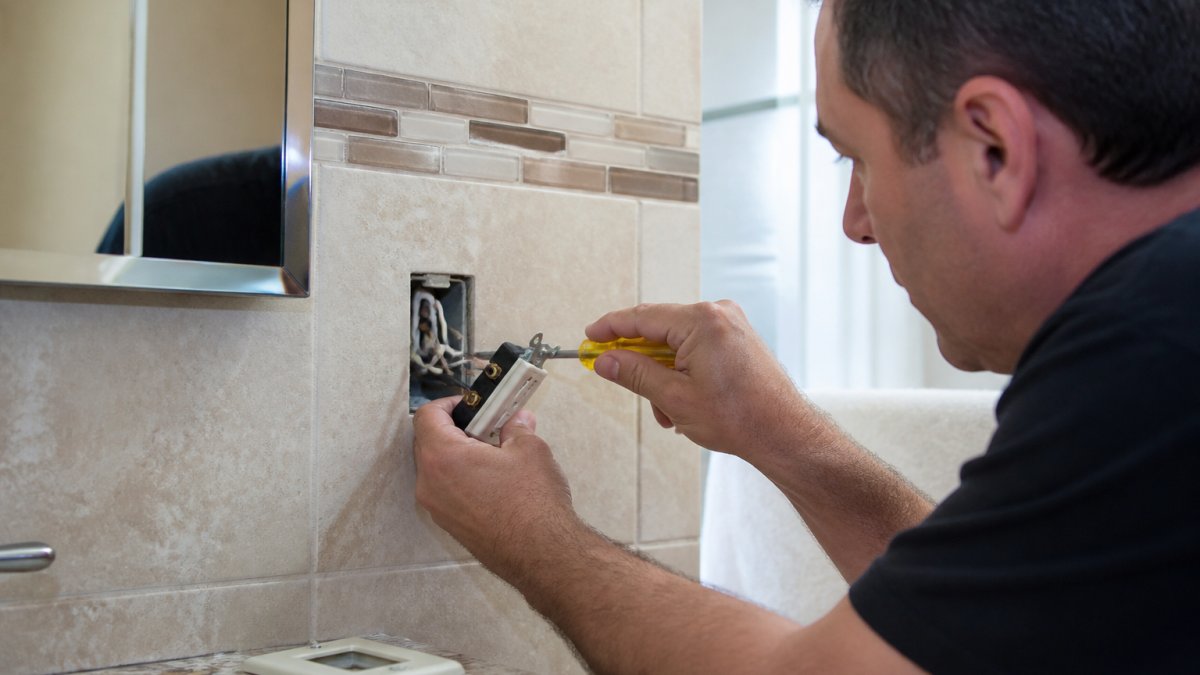
You should hire a professional for bathroom electrical work whenever the job involves running new wire, adding circuits, installing outlets or fixtures, or connecting to your electrical panel. Water and electricity create serious hazards, and a licensed electrician ensures GFCI protection, proper grounding, and code compliance that DIY work often overlooks.
- Outlet and lighting installation, exhaust fan installation, and moving outlets all require a licensed electrician to meet code and prevent fire hazards.
- Warning signs like burning smells, warm outlets, shocks, visible water in electrical boxes, or repeatedly tripping breakers demand immediate professional inspection.
- Building code requires GFCI protection on all bathroom outlets within six feet of a sink, and installation must be done by a licensed electrician.
- Verify any electrician's active license, get a certificate of insurance, and request a written scope of work before hiring.
- Exhaust fans need dedicated circuits with correct wire gauge, rigid ductwork to the outside, and a damper to prevent moisture damage.
Table of Contents
- Why Professional Help Matters for Bathroom Electrical Work
- Bathroom Electrical Tasks That Require a Licensed Electrician
- Understanding Signs of Faulty Bathroom Wiring
- GFCI Outlet in Bathroom: Installation and Safety
- Bathroom Exhaust Fan Installation and Electrical Requirements
- Key Questions to Ask an Electrician Before Hiring
- Step 1: Verify the license, don't just ask about it
- Step 2: Get a certificate of insurance, not a verbal yes
- Step 3: Ask for a written scope, not a verbal estimate
- Step 4: Ask bathroom-specific questions
- Step 5: Check references the right way
- Step 6: Confirm the warranty in writing
- Red flags that should end the conversation
- Getting Your Free Estimate for Bathroom Electrical Work
- Frequently Asked Questions
Why Professional Help Matters for Bathroom Electrical Work
Bathroom electrical work isn't like fixing a leaky faucet or patching drywall. According to U.S. Bureau of Labor Statistics employment data, electrician employment is projected to grow 9% from 2025 to 2035, with about 72,700 openings each year, a sign of how much demand exists for qualified professionals handling complex electrical tasks.
At Handy Gonzo's Home Improvements, we've seen what happens when homeowners attempt electrical work without training. Faulty bathroom wiring can cause fires, damage your electrical system, and create ongoing hazards.
Moisture from showers, sinks, and exhaust fans multiplies electrical hazards. A licensed electrician knows the codes that protect you, grounding, GFCI protection, and moisture-resistant installation methods DIY work often overlooks.
Bathroom Electrical Tasks That Require a Licensed Electrician
Not every electrical job demands professional help, but bathroom work almost always does.
Outlet and lighting installation requires a licensed electrician.
Exhaust fan installation demands professional expertise.
Remodeling that involves moving outlets, adding circuits, or upgrading the electrical panel absolutely requires a licensed electrician.
Wiring for heated towel racks, heated floors, or other bathroom amenities needs professional installation.
These bathroom electrical tasks require professional installation to meet code and prevent hazards.
| Task | Why Professional Required | Key Risk if DIY |
|---|---|---|
| Outlet and lighting installation | GFCI protection, placement requirements, wiring gauge | Shock, fire hazard |
| Exhaust fan installation | Correct electrical connection, proper ductwork sizing, code compliance | Fire hazard, moisture damage |
| Lighting fixture upgrades | Protected wiring, safe circuit load | Overload, fire risk |
| Moving outlets, adding circuits, upgrading panel | Touches main electrical system | Affects entire home safety |
| Heated towel racks, heated floors | Significant power draw, dedicated circuits needed | Tripped breakers, fire hazard |
Understanding Signs of Faulty Bathroom Wiring
Faulty bathroom wiring rarely announces itself with a single dramatic failure. It usually shows up as a cluster of small symptoms that worsen over months. Here's which are "watch it" and which are "stop using the bathroom circuit now."
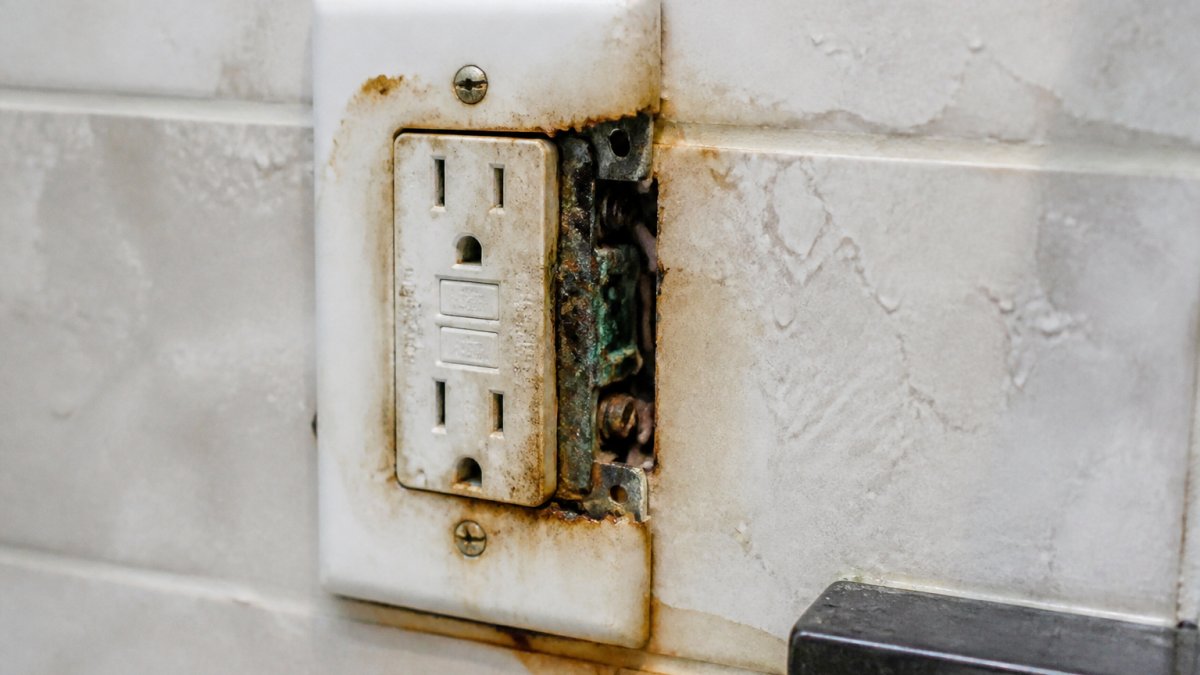
Tier 1: Stop using the circuit and call an electrician today
These signs point to active arcing, overheating, or water contact with live parts. Treat them as urgent.
- A burning or fishy smell near an outlet, switch, or fan. That's usually overheated insulation or a failing connection. Turn off the bathroom breaker and don't flip it back on to "test" it.
- An outlet, switch plate, or fixture that is warm or hot to the touch. Warmth means resistance and heat building inside the box. Stop using that device and leave the breaker off.
- A shock or tingle when you touch a fixture, switch, or appliance. Even a mild tingle means current is reaching a surface it shouldn't, a grounding or moisture-intrusion problem that can escalate without warning.
Tier 2: Schedule an electrician within days
These signs aren't emergencies, but they're early warnings that a connection or circuit is degrading.
- Flickering or dimming bathroom lights, especially when the exhaust fan or a hair dryer kicks on. This often points to a loose neutral, an overloaded circuit, or a failing connection at the fixture.
- Breakers that trip repeatedly during normal bathroom use. One trip after a storm is normal; repeated trips mean an overloaded circuit or a short. Don't keep resetting it, that's how a small problem becomes a fire.
- Buzzing or crackling from an outlet or switch. Buzzing usually means a loose connection or arcing inside the box. Crackling is more serious and should move to Tier 1.
Tier 3: Note it and mention it at your next service call
- Slight discoloration on an old outlet face with no heat and no smell.
- A bathroom outlet that is not GFCI-protected in an older home, a code and safety gap even if nothing is failing yet.
- A fan that runs but doesn't clear steam, often a duct or sizing problem rather than wiring, but worth flagging to whoever services the electrical side.
What a professional actually checks
When an electrician responds to a warning sign, the visit is more than a visual inspection. A typical diagnostic sequence includes:
- Thermal check of outlets, switches, and the panel to find hot spots that aren't visible.
- GFCI test and trip-time check to confirm protection is working, not just present.
- Grounding and bonding verification at the bathroom circuit and at the panel.
- Moisture-intrusion inspection around fixtures, fans, and any penetrations in the wall.
- Load check to see whether the bathroom circuit is carrying more than it was designed for.
That's why "just replace the outlet" often fails. The symptom is at the outlet; the cause is frequently at the connection, the panel, or the moisture path behind the wall.
A quick decision rule
If you can smell it, feel heat, feel a shock, or see water or scorch marks, Tier 1. If the symptom appears only under heavy use and goes away when you stop, Tier 2. If it's a code gap or cosmetic oddity with no heat, smell, or shock, Tier 3. When in doubt, err toward the higher tier; a diagnostic visit costs far less than a fire or shock injury.
GFCI Outlet in Bathroom: Installation and Safety
GFCI stands for Ground Fault Circuit Interrupter. It's a specialized outlet that detects electrical imbalances and cuts power instantly to prevent shock.
Building code requires GFCI protection on all bathroom outlets within six feet of a sink. Some electricians wire regular outlets downstream from one GFCI, which protects them all; others install individual GFCI outlets at each location.
Installation requires a licensed electrician because it involves running wire, understanding circuit capacity, and meeting local code.
Testing your GFCI regularly is simple: press the "Test" button monthly. The outlet should cut power (you'll hear a click). Press "Reset" to restore power.
Bathroom Exhaust Fan Installation and Electrical Requirements
Bathroom exhaust fans do more than remove odors. They pull moisture out of the air, protecting your home from mold, rot, and structural damage.
The fan needs a dedicated circuit with the correct wire gauge and breaker size.
Ductwork installation is equally critical.
The fan also needs a damper, a one-way valve that prevents outside air from flowing back in.
Exhaust fan installation looks simple but involves multiple systems working together.
Key Questions to Ask an Electrician Before Hiring
Asking good questions is only half the job, the other half is verifying the answers. A qualified electrician hands you documents you can check. Use this as a step-by-step checklist.
Step 1: Verify the license, don't just ask about it
Electrician licensing is handled at the state and sometimes local level. The state licensing board or local building department maintains a searchable record. Ask for the license number, then look it up yourself and confirm three things:
- The license is active, not expired or suspended.
- The license class covers the work you're hiring for (residential vs. commercial, journeyman vs. master).
- The name on the license matches the person or company you're hiring, not a subcontractor you've never met.
Step 2: Get a certificate of insurance, not a verbal yes
"We're insured" is not proof. Ask for a certificate of insurance and check two lines:
- General liability, covers damage to your home if something goes wrong.
- Workers' compensation, covers the worker if they're injured on your property. Without it, an injury on your job can become your liability.
Call the phone number on the certificate to confirm the policy is current. This takes two minutes and is the single most skipped step in hiring a contractor.
Step 3: Ask for a written scope, not a verbal estimate
A written scope should state, in plain language:
- What will be done, which outlets, fixtures, circuits, or fans, and where.
- What materials are included, brand and model where it matters, especially for GFCI devices and exhaust fans.
- What is excluded, drywall repair, painting, ductwork, and permit fees are common exclusions that surprise homeowners later.
If any of those are missing, ask for them in writing before you sign.
Step 4: Ask bathroom-specific questions
General electrical experience is not the same as bathroom experience. Ask:
- "How do you handle GFCI protection for outlets near the sink, and do you protect downstream outlets from a single GFCI or install individual devices?"
- "How do you verify grounding at the bathroom circuit?"
- "What's your approach to moisture-resistant fixtures and fan ducting?"
A bathroom-experienced electrician answers these without hedging. A generalist will often pivot to "we can handle anything," which is not the same answer.
Step 5: Check references the right way
Ask for two or three references from bathroom projects completed in the last 12 months. When you call, ask specific questions:
- Did the final bill match the written estimate, and if not, what changed?
- Did the electrician pull the permit and did the inspection pass on the first try?
- Did the crew show up when scheduled, and did the same people finish the job?
Generic praise is easy to give. Specific answers about permits, inspections, and change orders are harder to fake.
Step 6: Confirm the warranty in writing
Ask for the labor warranty length and what it covers. A common pattern is a one-year labor warranty on workmanship, separate from the manufacturer's warranty on devices and fixtures. Get both in the written agreement. If the warranty is verbal only, assume it doesn't exist.
Red flags that should end the conversation
- Refusal to provide a license number or insurance certificate.
- A quote that is dramatically lower than every other quote, with no written scope.
- "We don't need a permit for that" on work that clearly involves new circuits, new outlets, or fixture changes.
Getting Your Free Estimate for Bathroom Electrical Work
When you're ready to move forward, getting a free estimate is your first step.
A quality estimate includes a detailed breakdown of what will be done, what materials are needed, labor costs, and the expected timeline.
At Handy Gonzo's Home Improvements, we provide digital quoting with a clear breakdown of materials, labor, and timeline.
Bathroom Remodeling services cover everything from electrical work to plumbing, tile, and fixtures.
For bathroom electrical work specifically, Bathroom Remodeling In Irving Tx What To Expect From Start To Finish walks you through the process step by step, so you understand what happens at each stage.
When you're ready to discuss your project, contact us for your free estimate.
Frequently Asked Questions
When should I hire an electrician for bathroom electrical work?
Hire a licensed electrician for any bathroom electrical work involving new circuits, outlet installation, lighting upgrades, exhaust fan wiring, or repairs to existing systems. If you notice flickering lights, frequent breaker trips, outlets that don't work, or signs of water damage near electrical equipment, call an electrician immediately. Bathroom moisture and electrical hazards make professional installation and inspection essential for safety and code compliance.
What are the warning signs of a bathroom electrical problem?
Watch for flickering or dimming lights, outlets that don't hold plugs securely, buzzing sounds from outlets or switches, breaker trips when you use certain appliances, burning smells, discolored outlets, or visible water damage near electrical equipment. These signs of faulty bathroom wiring indicate potential electrical hazards. Moisture exposure in bathrooms accelerates deterioration, so address any warning signs promptly by contacting a licensed electrician.
Do I need an electrician to install a bathroom exhaust fan?
Yes, bathroom exhaust fan installation typically requires a licensed electrician, especially if you need new wiring or circuit installation. An electrician ensures proper electrical connections, correct voltage, and compliance with building code. They'll also verify that moisture-resistant materials and GFCI protection are in place. Professional installation prevents electrical fires, shock hazards, and costly repairs from improper wiring.
What questions should I ask before hiring an electrician?
Ask about their licensing and insurance, experience with bathroom projects, estimated timeline and cost, whether the work requires permits and inspections, what GFCI protection will be installed, and how they handle moisture-related electrical safety. Request references from recent bathroom projects and a written estimate that details the project scope. These questions to ask an electrician help you verify qualifications and set clear expectations before work begins.
Bathroom electrical work is too important to DIY. The risks, shock, fire, code violations, and damage to your home, are real. A licensed electrician brings the training, experience, and credentials to do the work safely and correctly. They know building code, understand moisture protection, and ensure your bathroom is safe for years to come. Get your free estimate today and move forward with confidence.