 how-to
How to Manage Renovation Stress With Pets
Table of Contents
- Understand How Renovation Stress Affects Your Pet
- Creating a Pet-Safe Zone During Remodeling
- How to Keep Pets Calm During Construction Noise
- Maintain Daily Routines and Schedules
- Boarding Pets During Home Renovation
- Protect Your Pet From Hazardous Materials and Dust
- Introduce Your Pet to Contractors and Strangers
- Provide Mental Stimulation and Enrichment
- Frequently Asked Questions
Last Updated: October 1, 2026
Understand How Renovation Stress Affects Your Pet
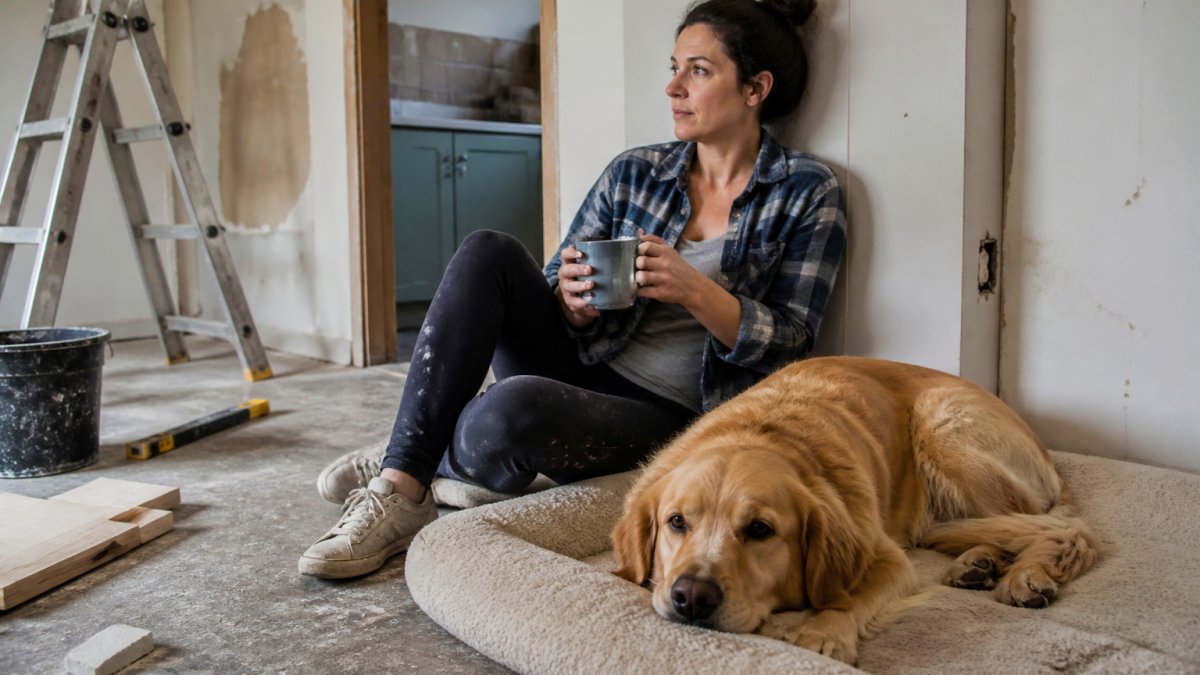
Home renovation creates chaos. Dust, noise, strangers, disrupted routines, your pet experiences all of it as a threat. Understanding how to manage renovation stress with pets is the first step to keeping them calm and safe during the project.
Pets don't understand that hammering, sawing, and shouting are temporary. They only know their environment has become unpredictable and frightening. This stress triggers both behavioral and physical responses that can persist long after the work ends.
Common stress signals during construction
Watch for these signs that your pet is struggling with renovation stress:
- Excessive panting or drooling
- Pacing, restlessness, or inability to settle
- Destructive behavior like chewing or scratching
- Loss of appetite or refusing water
- Hiding in closets, under beds, or other enclosed spaces
- Excessive barking, meowing, or vocalization
- Aggression toward family members or contractors
- Accidents in the house despite being housetrained
- Trembling or cowering during loud noises
Some pets show subtle signs: loss of interest in toys, avoiding interaction, or sleeping more than usual. Don't assume your pet is "handling it fine" just because they're quiet. Withdrawn behavior is stress too.
Why separation anxiety worsens during remodeling
Renovation disrupts everything your pet relies on. Their safe spaces disappear. Familiar people come and go unpredictably. Doors stay open. Rooms change layout. For pets already prone to separation anxiety, this chaos can trigger severe panic responses.
Even pets without pre-existing anxiety can develop separation anxiety during renovation stress. The constant changes teach them that their environment is unsafe and unpredictable. They cling to family members or become destructive when left alone, even briefly.
The key is preventing this learned behavior before it starts. Maintaining daily routines and creating a designated safe zone helps your pet feel grounded despite the chaos around them.
Creating a Pet-Safe Zone During Remodeling
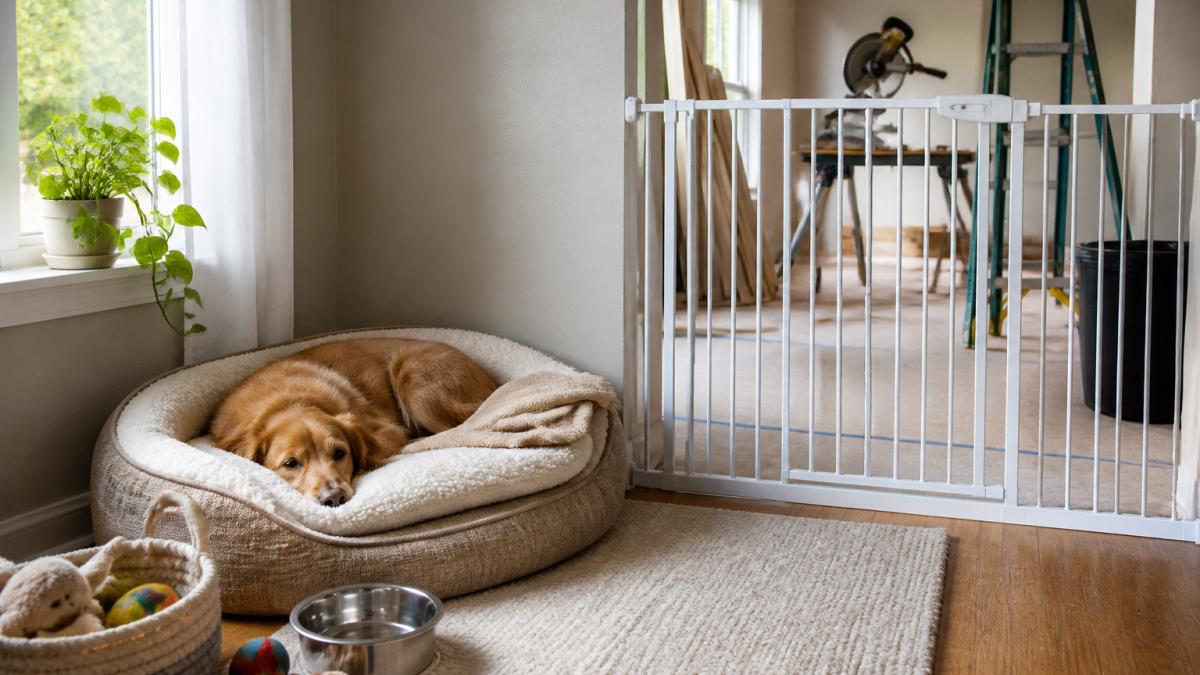
A safe zone is a quiet, secure space where your pet can retreat from construction noise and activity. This isn't optional, it's essential for how to manage renovation stress with pets.
The best safe zone is a room your contractors won't enter during active work. A spare bedroom, bathroom, or basement works well. The space should be away from the main construction area and positioned to minimize noise exposure.
Selecting the right safe zone location
Location determines whether your pet actually uses the space. A room near active construction won't feel safe, no matter how comfortable it is.
Choose a room that meets these criteria:
- Located farthest from the main renovation area
- Positioned away from windows facing active construction
- Has a door that closes completely and locks
- Receives natural light (but not harsh direct sun)
- Stays relatively quiet even during peak construction noise
- Has access to a bathroom or outdoor area if your pet needs to eliminate
Brief your contractors that this room is off-limits. A locked door and a clear sign prevent accidental intrusions that would undermine your pet's sense of security.
Essential supplies for your pet's sanctuary
Stock the safe zone with everything your pet needs so they never have to leave:
- Fresh water in a spill-resistant bowl (refill twice daily)
- Food and treats (keep regular meal times consistent)
- Comfortable bedding or crate they already know
- Favorite toys and chew items
- Litter box for cats (placed away from food and water)
- Pee pads for dogs if they can't access outdoor areas
- Any medications or supplements your vet recommends
- Recent photo of your pet (in case of emergency evacuation)
The goal is making the safe zone more appealing than exploring the renovation chaos. Rotate toys every few days to maintain interest. Leave an article of your clothing in the space, your scent provides comfort.
How to Keep Pets Calm During Construction Noise
Construction noise is the biggest stressor during renovation. Even pets with steady temperaments struggle with unpredictable, loud sounds. Managing noise exposure directly reduces stress behaviors.
White noise and soundproofing strategies
White noise masks construction sounds by creating consistent, predictable audio. It's one of the most effective tools for managing renovation stress with pets.
Use these noise management techniques:
- Play white noise, nature sounds, or calming music continuously during construction hours
- Use a white noise machine or fan in the safe zone
- Close windows and doors in the safe zone
- Hang heavy blankets or curtains over windows to absorb sound
- Place weatherstripping under doors to seal gaps
- Use acoustic foam panels if the budget allows
- Keep a TV or radio playing at moderate volume in the safe zone
Calming aids and behavioral support
Beyond noise management, several calming approaches help reduce anxiety:
- Pheromone diffusers release synthetic versions of natural calming chemicals. Plug-in diffusers for dogs and cats are available at most pet supply stores. They work best when started a few days before construction begins.
- Calming supplements containing ingredients like L-theanine or chamomile may help. Consult your vet before starting any supplement.
- Anxiety wraps apply gentle, constant pressure similar to swaddling. Some pets find these soothing during stressful periods.
- Long-lasting chews redirect nervous energy into something productive. Offer puzzle feeders or durable chew toys to keep your pet occupied.
Talk with your veterinarian about your pet's stress level. In some cases, short-term anti-anxiety medication prescribed by your vet provides necessary relief during the renovation period. This isn't failure, it's responsible pet care during an abnormal situation.
Maintain Daily Routines and Schedules
Routine is your most powerful tool for managing renovation stress with pets. When everything else feels chaotic, consistent meal times, walks, and play sessions anchor your pet to normalcy.
Boarding Pets During Home Renovation
Sometimes keeping your pet home during renovation isn't practical. Boarding can be the right choice for your situation, your pet, and your renovation timeline.
When boarding makes sense
Consider boarding if:
- Your renovation lasts more than 2-3 weeks
- Your pet has severe separation anxiety or fear responses
- You have multiple pets and limited safe zone space
- Your contractor needs full access to the entire home
- Your pet has health conditions worsened by stress
- You're unable to maintain consistent routines during construction
Boarding isn't the default solution. Many pets do fine at home with a proper safe zone and routine. But for some animals and some projects, temporary housing reduces stress significantly.
Preparing your pet for temporary housing
If you choose boarding, preparation prevents additional stress:
- Visit the facility with your pet before drop-off so the space feels familiar
- Leave an article of your clothing with your pet for comfort
- Provide detailed written instructions about your pet's routine, medications, and behavior
- Bring your pet's regular food to prevent digestive upset from diet changes
- Schedule a trial stay if possible so your pet experiences the facility briefly before the full renovation period
- Maintain contact with the boarding facility for updates
Choose a facility that's willing to accommodate your pet's specific needs. Some facilities offer private suites, others use shared spaces. Your pet's temperament should guide the choice.
Protect Your Pet From Hazardous Materials and Dust
Construction sites contain hazards. Dust inhalation, exposure to chemicals, sharp objects, and open areas create real dangers for pets.
Inspect your pet's safe zone daily for hazards:
- Check for dust accumulation and vacuum regularly
- Ensure no construction debris has entered the space
- Verify the room remains secure and locked
- Remove any items contractors may have accidentally left behind
- Keep cleaning supplies and chemicals stored securely outside the safe zone
Introduce Your Pet to Contractors and Strangers
Contractors are unpredictable strangers in your pet's home. Proper introduction reduces fear and prevents aggressive responses.
- Your pet's name and temperament
- Whether your pet is friendly or fearful around strangers
- Which areas are off-limits (especially the safe zone)
- How to safely interact if they encounter your pet
- Emergency contact information for your vet
Provide Mental Stimulation and Enrichment
Boredom amplifies stress. A pet stuck in a safe zone with nothing to do will develop behavioral problems. Mental stimulation keeps anxiety manageable and prevents destructive behavior.
Frequently Asked Questions
What are the signs of stress in pets during home renovations?
Pets under renovation stress often show behavioral changes like excessive barking, hiding, loss of appetite, or destructive behavior. Some pets pace repeatedly, have accidents indoors, or display aggression. Physical signs include trembling, excessive panting, or changes in sleep patterns. If your pet shows these stress signals, consult your veterinarian about calming supplements or pheromone diffusers to help them manage the remodel stress.
Should I board my pet during a major home remodel?
Boarding pets during home renovation depends on your project's scope and your pet's temperament. For extensive kitchen or bathroom remodels lasting weeks, boarding can reduce stress and keep your pet safe from construction noise, dust inhalation, and hazardous materials. However, some pets do better staying home in a designated safe zone with familiar surroundings. Consult your veterinarian about what works best for your specific pet and renovation timeline.
How can I keep my pets calm while contractors are in my home?
Keep pets calm by maintaining their daily routine, using white noise to mask construction noise, and setting up a quiet sanctuary space away from work areas. Pheromone diffusers like Adaptil (for dogs) or Feliway (for cats) can reduce anxiety. Provide long-lasting chews, puzzle feeders, and enrichment toys to redirect stress. Introduce contractors gradually to your pets if possible, and consider calming supplements recommended by your vet for the duration of the project.
What should I do to prepare my pet before renovation work starts?
Before renovation begins, take your pet to the veterinarian for a check-up and discuss the upcoming remodel stress. Set up a safe zone with all essential supplies, establish a consistent daily walk schedule, and introduce your pet to the concept of containment if needed. Start using pheromone diffusers a week before work begins. Update your pet's ID tags and microchip information in case they escape during the chaos, and arrange for temporary housing or boarding if the project will be extensive.