 how-to
How to Prepare Your Home for Handyman Services
Table of Contents
- Why Preparing for Handyman Services Saves Time and Money
- Your Handyman Appointment Checklist: What to Do Before a Handyman Arrives
- How to Prioritize Handyman Repairs Before the Visit
- What to Do Before a Handyman Arrives: Safety and Home Protection
- Questions to Ask a Handyman Before Work Begins
- Homeowner vs. Handyman Responsibilities: Who Handles What
- After the Visit: Inspection, Follow-Up, and Next Steps
- Conclusion
- Frequently Asked Questions
Last Updated: October 17, 2026
Why Preparing for Handyman Services Saves Time and Money
Most homeowners lose money on handyman services before the truck pulls into the driveway, not from bad work, but from wasted hours, unclear scopes, and missed details.
A clear work area and a written repair list mean the pro spends time fixing, not moving boxes or guessing, which shortens the visit and keeps the estimate honest.
Below is the step-by-step process. It takes about an hour of your time and pays it back on the invoice.
Your Handyman Appointment Checklist: What to Do Before a Handyman Arrives
A handyman appointment checklist is a short list of tasks that gets your home ready before the pro shows up. It covers access, cleared work areas, protected surfaces, and a written list of what needs fixing.
Run through this checklist the day before and again the morning of the visit:
- Confirm the appointment time and expected scope
- Clear furniture and personal items from each work area
- Move breakables and valuables to a safe room
Print it, tape it to the fridge, and work through it once.
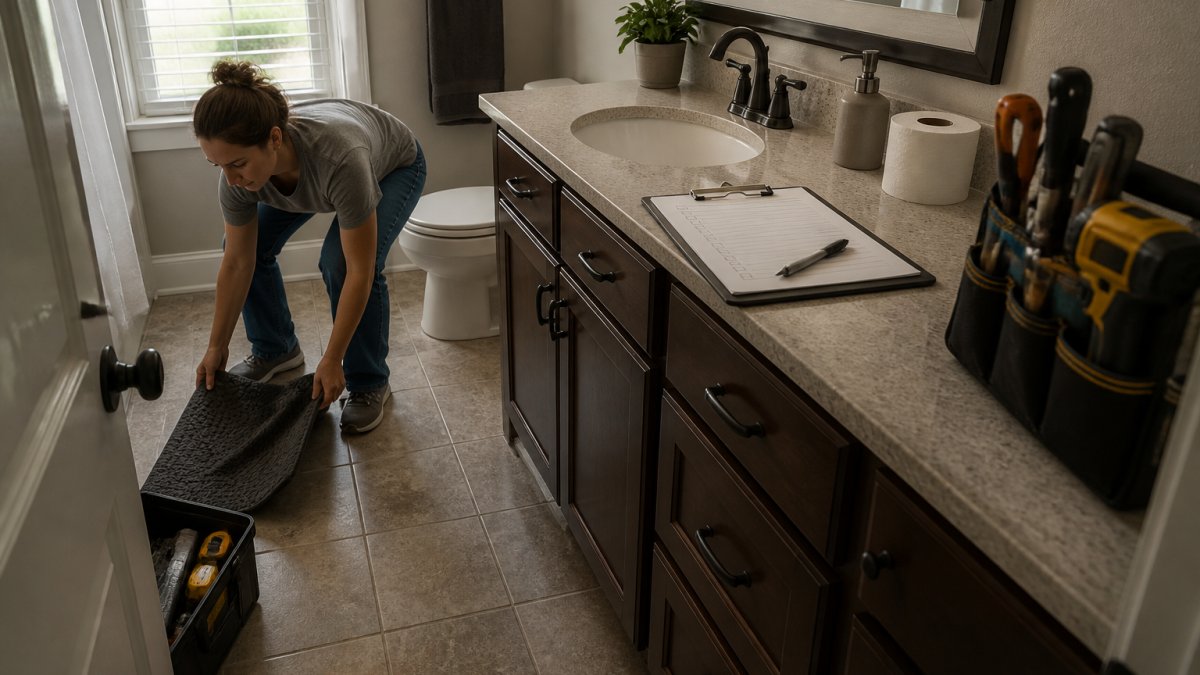
Clear the Work Area and Protect Surfaces
Clear a path at least three feet wide to every work spot. Move furniture, rugs, and decor, and empty any cabinet or appliance in front of a repair.
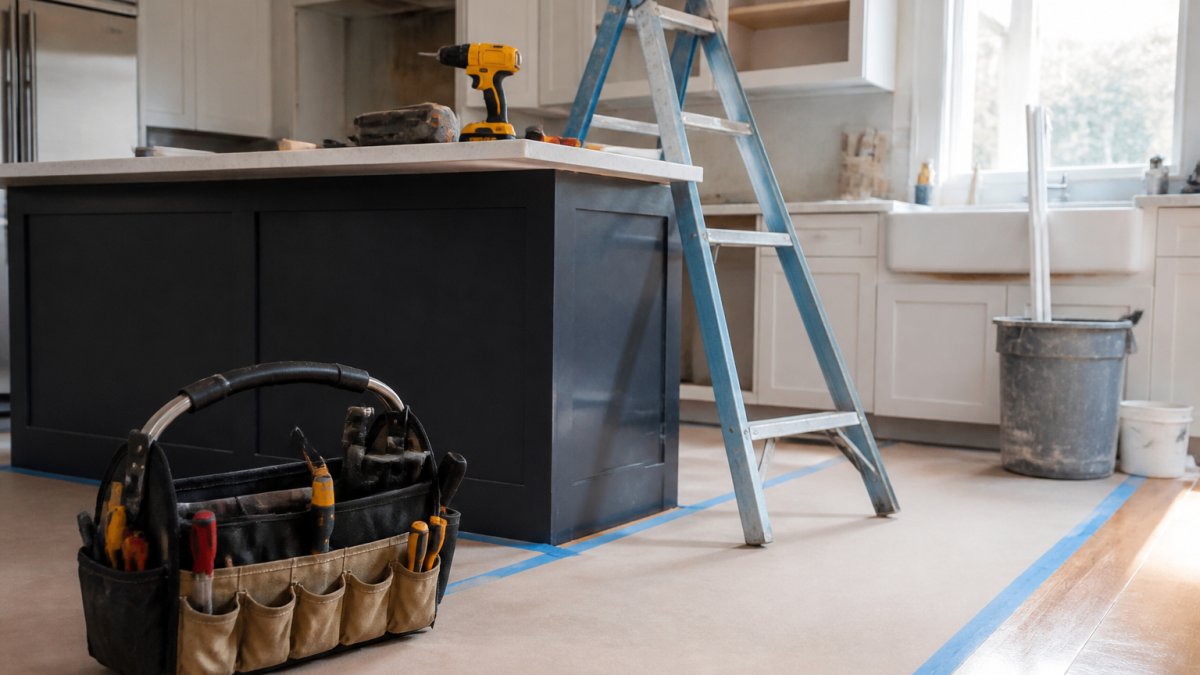
Protect what stays: lay drop cloths on floors and counters, and tape plastic over nearby surfaces for dusty jobs like drywall repair or painting. A half-cleared work area means the pro spends the first twenty minutes moving your things, and you pay for that time.
Confirm Access, Parking, and Pets
Make sure the pro can actually get in and get to work:
- Unlock gates and doors before arrival
- Clear the driveway or a nearby street spot
- Move cars that block the work area
A nervous dog underfoot or a blocked driveway slows every job and creates a safety risk. Handle both before the visit, not during it.
How to Prioritize Handyman Repairs Before the Visit
Sort your repair list into three buckets before the appointment: urgent, important, and nice-to-have. Urgent items are safety or damage risks, like a leak or a loose railing. Important items affect daily use, like a sticking door.
Grouping repairs this way helps the pro plan the visit and helps you decide what to tackle first if the budget is tight.
Document Each Issue With Photos and Measurements
Take a photo of every problem and note its location, plus rough measurements where they matter, like the size of a drywall hole or the width of a doorway. This gives the pro a clear picture and helps them bring the right materials and parts.
A short written list works well:
- Kitchen: loose cabinet hinge, upper left
- Bathroom: slow drain, hall bath
- Bedroom: door rubs the frame
- Exterior: gutter pulling away, back corner
Photos plus a list equals fewer surprises and a tighter service estimate.
What to Do Before a Handyman Arrives: Safety and Home Protection
Safety and home protection come down to three things: access, hazards, and protecting surfaces.
Walk the work area and remove tripping hazards, cords, toys, loose rugs. For minor electrical work, note which breaker controls the area; for minor plumbing, clear under the sink and know where the main water shutoff is.
Move valuables and breakables to a closed room, cover furniture near dusty jobs, and keep children and pets away from active work zones.
Questions to Ask a Handyman Before Work Begins
Most preparation guides stop at clearing the work area. The step that actually prevents surprises happens before the truck arrives: confirming the logistics of the appointment itself. A handyman who shows up without the right materials, outside the agreed window, or unaware of a permit requirement costs you time and money. Use this checklist to lock down the details.
Confirm the Arrival Window and Access Plan
Ask for a specific arrival window, not just a date, two hours is common, four is not unreasonable for a busy solo operator. Confirm how the handyman will contact you on arrival, and if you will not be home, arrange a lockbox, key handoff, or trusted neighbor. Clarify whether you need to be present for the walkthrough or the handyman can work independently after a brief scope review.
Nail Down the Scope and Estimate in Writing
Ask for the estimate in writing before the visit, separating labor from materials and noting whether cleanup is included. Confirm whether it is a fixed price or an hourly rate with an estimated range, and ask what happens if the job runs long, will you get a call before additional charges accrue? For multi-task visits, confirm each item on your list is in scope.
Clarify Materials, Permits, and Who Buys What
Ask who supplies materials. Some handymen include standard consumables like screws, caulk, and patch compound; others expect you to provide specialty items like a specific faucet or light fixture. Confirm whether the handyman picks up materials (often at cost plus markup) or you should have them on site. For work that may require a permit, structural changes, new electrical circuits, gas line work, ask whether the handyman handles it or the job falls outside their license.
Agree on Payment Terms and Change Orders
Ask about payment timing, deposit, payment on completion, or progress payments for multi-day jobs, and confirm accepted methods and any card fee. Most importantly, agree on how change orders work: if the handyman finds rot behind a trim board or a shutoff valve that will not close, you want a phone call, a revised estimate, and your approval before work continues.
Verify Insurance and References
Ask for a certificate of insurance, general liability at minimum, plus workers' compensation if the handyman has employees. A professional will have it ready. Ask for two or three recent references for similar work and follow up with a quick call or text; if none are available, keep looking.
At Handy Gonzo's Home Improvements, we send a digital quote with a line-item breakdown of materials, labor, and timeline before the visit, and we confirm the arrival window and access plan in writing. That answers most of these questions before they are asked.
Homeowner vs. Handyman Responsibilities: Who Handles What
Knowing who handles what prevents friction: the homeowner handles access, clearing, pets, and decisions; the handyman handles the repair, the tools, and cleanup of the work area.
| Task | Homeowner | Handyman |
|---|---|---|
| Clear work area | Yes | No |
| Secure pets | Yes | No |
| Provide access and parking | Yes | No |
| Bring tools and materials | No | Yes |
| Perform the repair | No | Yes |
| Clean the work area | Shared | Yes |
| Approve scope changes | Yes | No |
| Final walkthrough | Yes | Yes |
The split is simple: you own the home and the decisions, the pro owns the work. Confirm the cleanup expectation up front so there is no confusion at the end.
After the Visit: Inspection, Follow-Up, and Next Steps
The visit is not finished when the handyman packs up the tools. A structured walkthrough and a simple records system protect your investment and make the next visit smoother, yet most preparation guides skip this step, which is why homeowners often discover a missed item days later.
Do a Room-by-Room Walkthrough Before the Handyman Leaves
Ask the handyman to walk the work areas with you before they leave, original repair list in hand. Test what was fixed: open and close the sticking door, run the faucet and check for leaks, flip the light switch, tug gently on the mounted shelf. Look for collateral damage, ladder scuffs, drywall dust, an unlocked gate, and point it out on the spot.
Confirm Unfinished Items and Next Steps
If any items were not completed, because they need a licensed trade, a part was unavailable, or the scope changed, get a clear explanation and a written next step: whether the handyman will return, whether you need a specialist, and the estimated cost and timeline. A short text or email summarizing the open items is enough; you need a record, not a formal document.
Keep a Simple Home Repair Log
Start a folder, paper or digital, for every handyman visit: the invoice, original estimate, photos of the finished work, and any warranty information. Note the date, the work performed, and the handyman or crew's name. This log is valuable when you sell the home, file an insurance claim, or need to prove a repair was done before a warranty expired, and it saves time next visit, since you can hand over a history of what was fixed and when.
Schedule Follow-Up Maintenance Before Small Issues Grow
Ask the handyman what maintenance the repaired area needs and how often: a newly caulked tub needs resealing every few years, a gutter repair should be checked after the next heavy rain, a drywall patch should be painted within a few weeks. Put those reminders in your calendar, a quick follow-up turns a one-time repair into steady maintenance that protects your home value.
At Handy Gonzo's Home Improvements, we do a final walkthrough with every client before we pack up, and we leave a written summary of completed work and any recommended follow-up. That record is yours to keep for warranties, future maintenance, or resale.
Conclusion
A little prep work turns a stressful visit into a smooth one: clear the work area, protect your surfaces, secure the pets, write a clear repair list, and ask the right questions before work begins.
Handy Gonzo's Home Improvements makes that easy. We bring over 35 years of experience, a dedicated crew trained across multiple trades, and transparent digital quoting with a clear breakdown of materials, labor, and timeline.
Get a Free Estimate from Handy Gonzo's Home Improvements and start your next project with clear expectations from day one.
Frequently Asked Questions
Should I move furniture before handyman work begins?
Yes, clearing furniture from the work area is one of the most helpful things you can do. Move small items, breakables, and electronics out of the room, and shift larger furniture at least a few feet back from walls being repaired. If a piece is too heavy to move safely, tell the handyman in advance so they can plan for it. Clearing the space protects your belongings, speeds up the job, and reduces the chance of damage to furniture or walls during repairs.
Do I need to buy materials before a handyman visit?
Usually not. Most handyman services include materials in their quote or purchase them on your behalf, and they can match replacement parts like fixtures, drywall compound, or paint more accurately than a homeowner guessing at a store. Ask before the appointment whether materials are included in the estimate. If you already own specific items, such as a replacement faucet or light fixture, set them out in the work area and mention them when you book so the handyman can plan the project scope around them.
How do I prepare for multiple handyman jobs in one visit?
Start by making a repair list and grouping tasks by location, so the handyman can work through one area at a time instead of moving back and forth. Take photos and note measurements for each issue, then rank them by urgency: safety issues first, then active damage like leaks or drywall cracks, then cosmetic upgrades. Share the list before the appointment so the handyman can build an accurate service estimate and bring the right tools and replacement parts for every job.
Should I keep pets away while a handyman is working?
Yes. Even friendly pets can get underfoot, slip out an open door, or become stressed by unfamiliar tools and noise. Secure dogs and cats in a separate room or crate well before the handyman arrives, and let the handyman know where they are. If you have a pet that is anxious around strangers, consider arranging for them to be out of the house during the visit. This keeps the work area safe and helps the job move faster.