 blog
Sustainable Kitchen Design Ideas for Homes
Table of Contents
- What Makes a Sustainable Kitchen Design
- Sustainable Kitchen Materials for Cabinets and Surfaces
- Recycled Kitchen Countertops That Last
- Energy-Efficient Kitchen Appliances and Lighting
- Water-Saving Kitchen Fixtures and Conservation
- Waste Reduction and Composting Solutions
- Sustainable Kitchen Design on a Budget and for Renters
- Measuring Your Kitchen's Environmental Impact
- Frequently Asked Questions
Last Updated: October 10, 2026
What Makes a Sustainable Kitchen Design
A sustainable kitchen design prioritizes materials, energy, and water conservation while reducing waste throughout the cooking space. At Handy Gonzo's Home Improvements, we help homeowners transform their kitchens by focusing on durability, resource efficiency, and mindful consumption.
Sustainable kitchen design combines three core principles: using responsibly sourced materials, minimizing energy and water consumption, and planning for a product's full lifecycle.
The real difference between a sustainable kitchen and a standard renovation comes down to intention. Most kitchens are designed around aesthetics or convenience. A sustainable approach asks: What will this material become in 20 years? How much energy will this appliance consume daily? Can I repair this, or will I replace it?
Sustainable Kitchen Materials for Cabinets and Surfaces
Choosing the right materials is where sustainable kitchen design truly takes shape. Cabinets and countertops represent the largest material investment in most kitchen renovations. Selecting durable, responsibly sourced options ensures your kitchen remains beautiful and functional for decades.
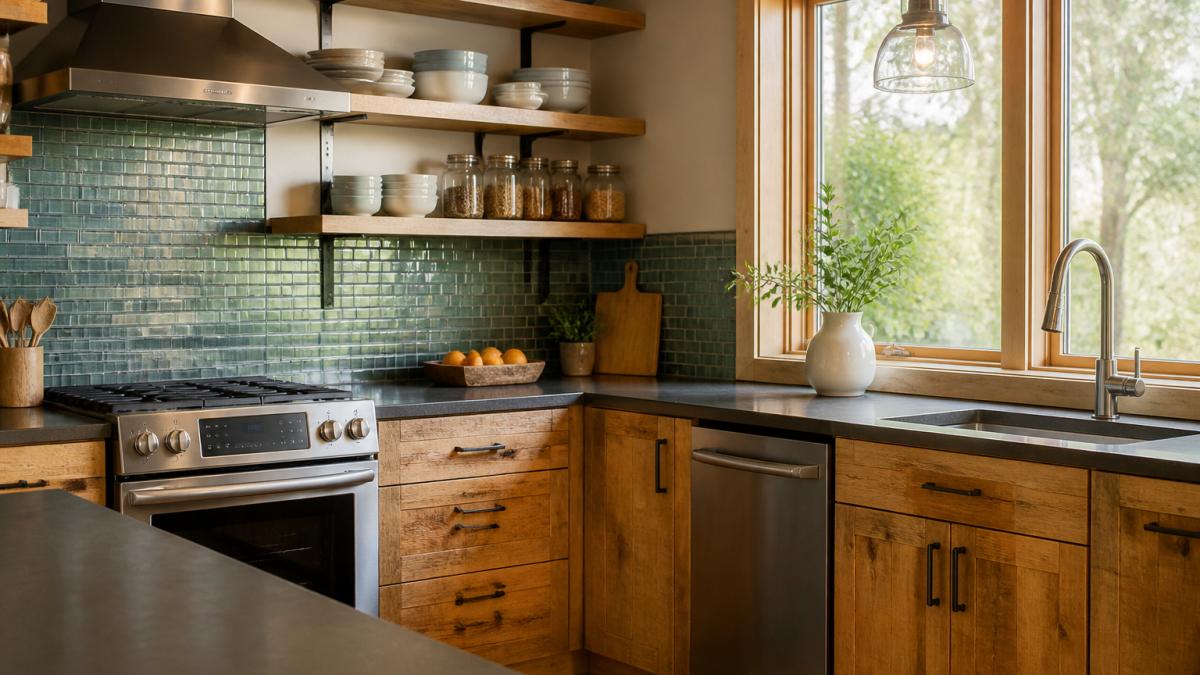
Reclaimed and Upcycled Wood
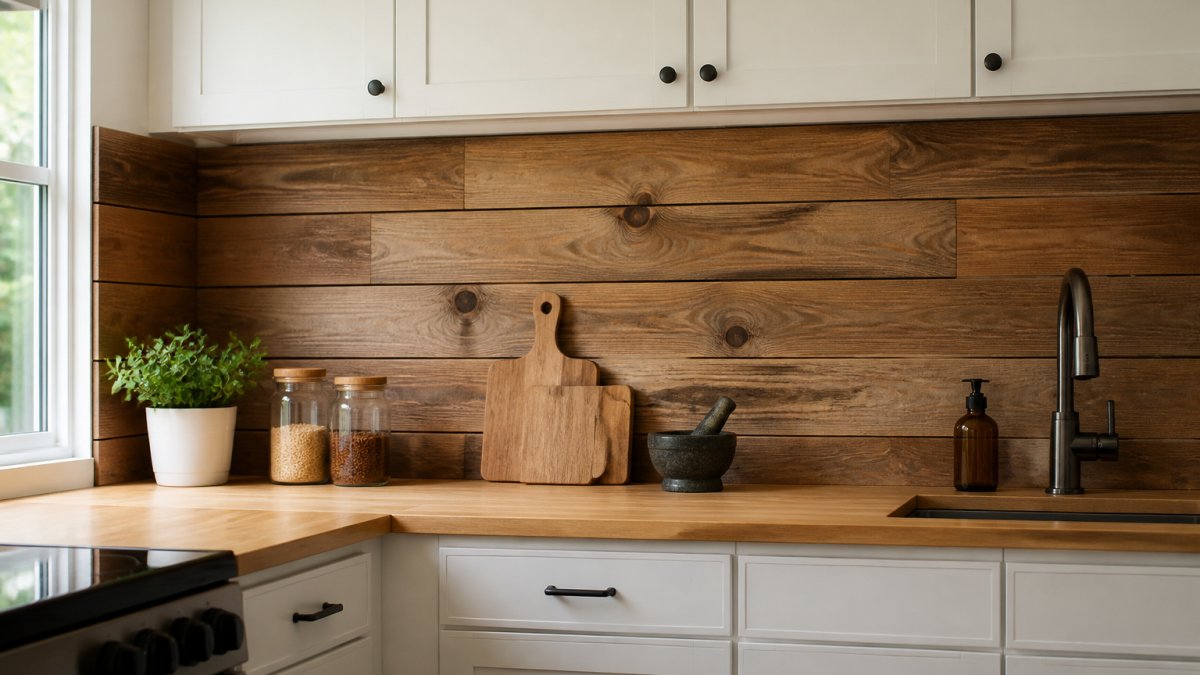
Reclaimed wood cabinets bring history and character into your kitchen while keeping usable materials out of landfills. Reclaimed wood comes from old barns, warehouses, or deconstructed buildings, each piece carries unique grain patterns and natural weathering that new wood can't replicate.
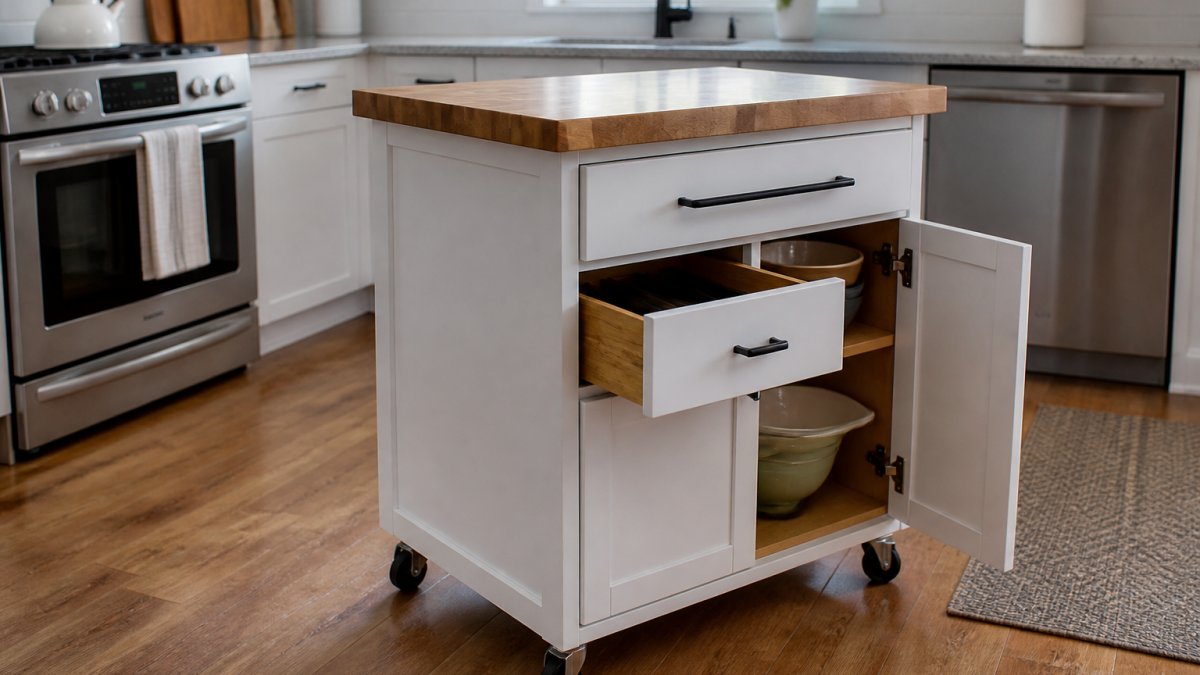
Upcycled furniture offers another angle. Vintage dressers, hutches, or shelving units can be repurposed as kitchen storage or open shelving. This approach works especially well for renters or anyone hesitant about permanent changes. A skilled carpenter can adapt existing pieces to fit your kitchen layout and function.
The trade-off: reclaimed and upcycled wood typically costs more upfront than conventional cabinetry. However, the durability and aesthetic value often justify the investment.
Low-VOC Finishes and Responsibly Sourced Options
Low-VOC (volatile organic compound) finishes reduce harmful chemicals released into your home's air during and after installation. Traditional wood stains and polyurethane coatings emit VOCs that can affect indoor air quality. Low-VOC alternatives deliver the same protection and appearance without the chemical off-gassing.
Responsibly sourced materials, certified by organizations like the Forest Stewardship Council, ensure your wood comes from sustainably managed forests rather than old-growth or endangered timber. Look for FSC certification on cabinet doors, trim, and structural components.
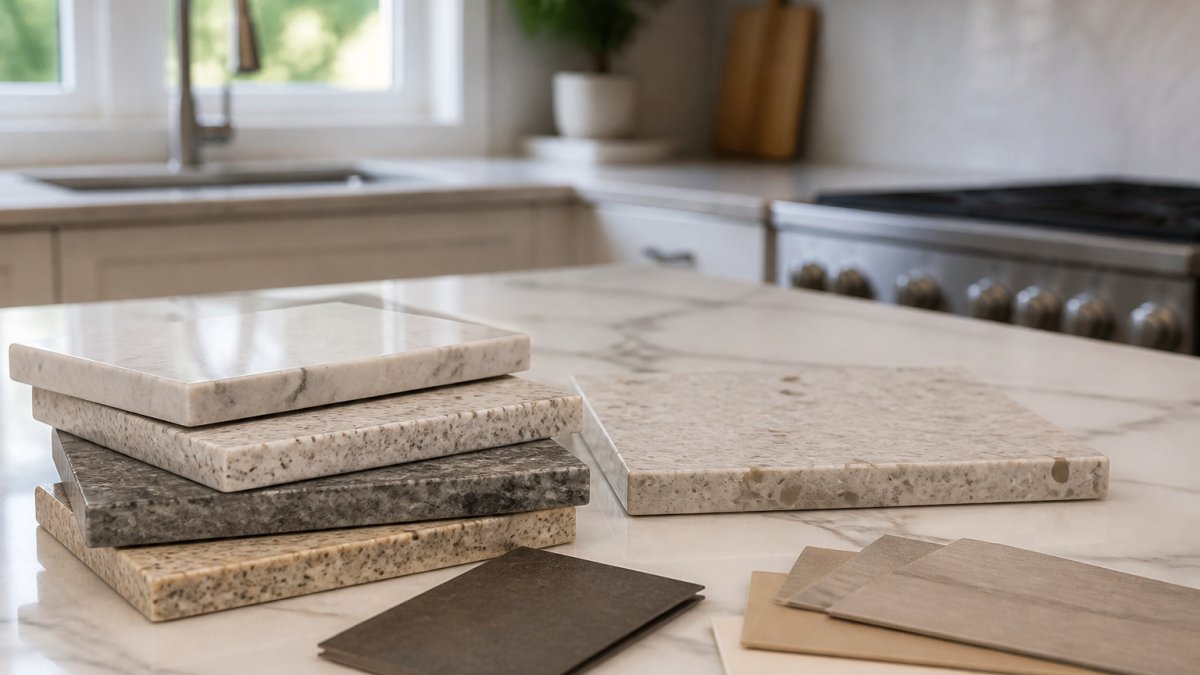
Recycled glass, reclaimed tile, and cork are excellent surface choices that combine durability with environmental responsibility. These materials resist staining and wear better than many conventional options, reducing the need for replacement.
Recycled Kitchen Countertops That Last
Recycled kitchen countertops transform waste materials into durable, attractive surfaces. Recycled glass countertops blend crushed glass with resin or concrete, creating a speckled appearance that catches light beautifully. Recycled paper composites offer a warm, organic look while using post-consumer waste.
Durability matters most with countertops. A beautiful surface that chips or stains within five years isn't sustainable, it just creates more waste. Recycled materials engineered for kitchen use hold up to heat, moisture, and daily wear better than you might expect.
Cost ranges widely depending on the material and finish. Recycled glass typically costs more than laminate but less than natural stone. The payback comes from longevity: a countertop that lasts longer is more sustainable than one replaced more frequently, regardless of material.
Energy-Efficient Kitchen Appliances and Lighting
Energy-efficient kitchen appliances cut utility bills while reducing your home's carbon footprint. ENERGY STAR certified appliances use 10-50% less energy than standard models, depending on the appliance type. However, not all upgrades deliver the same return on investment. Understanding which appliances consume the most energy and offer the fastest payback helps you prioritize spending.
Refrigerators and Food Storage
Refrigerators consume more energy than any other kitchen appliance, running 24/7 year-round. A standard refrigerator uses more kilowatt-hours annually than an ENERGY STAR model. A high-efficiency refrigerator costs more than a standard model, but offers energy savings over its lifespan.
Look for ENERGY STAR Most Efficient certification, which identifies the top 15% of models in each category. French-door and side-by-side models consume more energy than top-freezer designs; if you're replacing an older refrigerator, downsizing to a smaller, more efficient model can double your savings.
Cooking Appliances: Ranges, Cooktops, and Ovens
Cooking appliances vary widely in efficiency. Induction cooktops heat 10-20% faster and more precisely than gas or electric coil burners, reducing wasted heat and energy consumption (Making the Switch to Induction Stoves or Cooktops).
Convection ovens distribute heat more evenly than standard ovens, allowing you to cook at lower temperatures and reduce cooking time by 20-25%. This translates to 10-15% energy savings.
Gas ranges are generally more efficient than electric resistance but less efficient than induction. If you have a gas line and prefer gas cooking, a sealed-burner gas range (which prevents heat from escaping around the burner) is more efficient than an open-burner model.
Dishwashers
Modern ENERGY STAR dishwashers use as little as 3 gallons of water per cycle, compared to 27 gallons for hand-washing. They also use 25-30% less energy than standard models. A high-efficiency dishwasher costs more than a standard model. Monthly savings are typically seen on water and energy, totaling annual savings. Payback occurs over time, after which the appliance continues saving money and water for its remaining lifespan.
Lighting: LED and Task Lighting Strategy
LED lighting uses 75% less energy than incandescent bulbs and lasts 25,000-50,000 hours compared to 1,000 hours for incandescent. A single LED bulb costs more than an incandescent but lasts longer, making the per-year cost lower than incandescent despite higher upfront cost.
Under-cabinet LED strips provide task lighting without the heat output of older technology, improving visibility for food prep while reducing energy consumption. Recessed LED downlights work well for general kitchen lighting.
Skylights and larger windows maximize natural light, reducing daytime lighting needs. A single skylight costs more installed but can eliminate the need for artificial lighting during daylight hours, saving on electricity depending on climate and sun exposure.
Prioritizing Appliance Upgrades by Budget
Low-cost, high-impact upgrades ($100-500): Replace all lighting with LED bulbs, install a low-flow faucet aerator, add under-cabinet LED strips, and upgrade to a high-efficiency showerhead if your kitchen has a sink with spray function.
Mid-range upgrades ($1,500-5,000): Replace an old refrigerator with an ENERGY STAR model, upgrade to a convection oven, or install a high-efficiency dishwasher. These typically pay for themselves within 3-5 years.
Major renovations ($5,000+): Replace the entire cooktop and range with an induction system, add skylights for natural lighting, or upgrade to a full suite of ENERGY STAR appliances.
For renters or those avoiding major renovations, LED bulbs and faucet aerators deliver immediate savings with zero installation cost. Plug-in under-cabinet lighting and portable induction cooktops offer efficiency gains without permanent changes.
Water-Saving Kitchen Fixtures and Conservation
Water-efficient kitchen fixtures reduce consumption without sacrificing function. Low-flow faucets deliver 1.5 gallons per minute instead of the standard 2.2 GPM, cutting water use by roughly 30% without noticeable pressure loss. Aerators mix air into the water stream, maintaining force while using less water.
Install a water-efficient pre-rinse spray valve if you wash dishes by hand. These fixtures are standard in restaurants for good reason: they rinse dishes quickly while using minimal water.
Consider a greywater system if your local code allows it. Kitchen sink water can irrigate outdoor plants, reducing your overall household water demand. Composting food waste rather than using a garbage disposal saves water and creates soil amendment for gardens.
Waste Reduction and Composting Solutions
A waste reduction and composting strategy keeps organic matter out of landfills while creating valuable soil amendment. Countertop compost bins collect scraps discreetly, then transfer to outdoor bins or a municipal composting program.
Smart storage reduces food waste before it starts. Clear containers let you see what you have. Proper organization means less forgotten produce rotting in the back of the fridge. Meal planning aligned with grocery shopping prevents overbuying perishables.
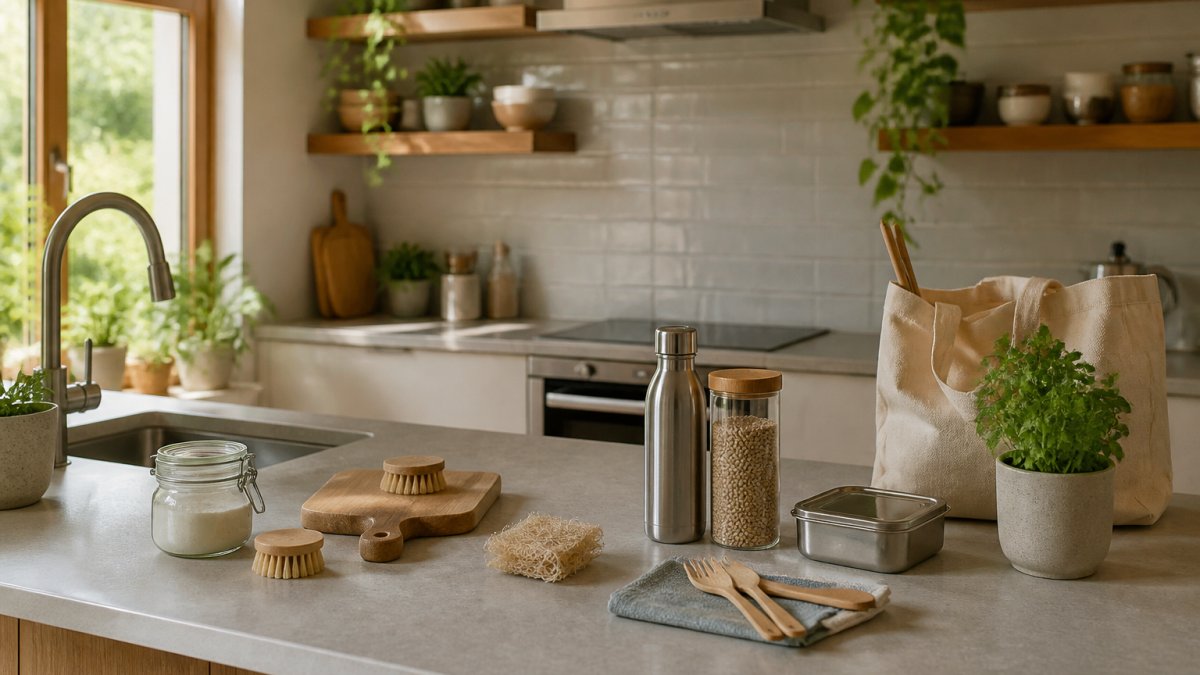
Reusable food storage containers replace single-use plastic wrap and bags. Glass or stainless steel containers last decades and keep food fresh longer than plastic. The upfront cost is offset by eliminating ongoing purchases of disposable wrap and bags.
Sustainable Kitchen Design on a Budget and for Renters
Sustainable kitchen design doesn't require a full renovation or a luxury budget. Renters and homeowners with modest budgets can make high-impact changes without permanent modifications.
Start with what you can control:
- Replace cabinet hardware with reclaimed or upcycled pieces
- Swap out lighting for LED bulbs
- Install a low-flow faucet aerator (usually affordable and tool-free)
- Add open shelving using reclaimed wood on existing brackets
- Paint cabinets with low-VOC paint instead of replacing them
For renters, removable changes preserve your security deposit while building sustainable habits. Adhesive backsplash tiles, plug-in under-cabinet lighting, and portable compost bins all work without landlord approval.
Handy Gonzo's Home Improvements can help you prioritize changes that deliver the best environmental and financial return. Our transparent digital quoting breaks down materials, labor, and timeline so you understand exactly what you're investing in before work begins.
Measuring Your Kitchen's Environmental Impact
Tracking your kitchen's environmental impact helps you understand which changes matter most. Start with baseline measurements: monthly energy bills, water usage, and waste volume.
After making sustainable upgrades, monitor the same metrics over 3-6 months. A reduction in energy use is realistic after switching to efficient appliances and LED lighting. Water savings typically appear within the first month of installing low-flow fixtures.
Calculate embodied carbon, the environmental cost of producing and transporting materials. Reclaimed wood has zero embodied carbon since it's salvaged from existing structures.
Consider the total lifecycle: extraction, manufacturing, transportation, use, and disposal. A recycled glass countertop might have higher upfront impact than laminate but lower total impact over 25 years because it won't need replacement.
Building a sustainable kitchen design takes intention but doesn't require perfection. Our team can guide you through material choices, energy-efficient appliances, and water-saving fixtures tailored to your budget and timeline. Learn more about sustainable home building practices to understand how kitchen improvements fit into broader home efficiency.
Frequently Asked Questions
What makes a kitchen design sustainable?
A sustainable kitchen design reduces environmental impact by using recycled or responsibly sourced materials, installing energy-efficient appliances and LED lighting, conserving water with low-flow fixtures, and minimizing waste through composting and recycling stations. It prioritizes durability and repairability so materials last longer, lowering the overall carbon footprint. The goal is balancing functionality with resource efficiency across materials, energy, and water use.
What are the most eco-friendly kitchen countertop materials?
Recycled kitchen countertops made from reclaimed glass, recycled paper composite, or reclaimed stone are excellent choices. Sustainably harvested wood and bamboo offer renewable alternatives. Recycled aluminum and salvaged granite or marble reduce waste by reusing existing materials. Each option varies in durability and maintenance, so consider your lifestyle and budget. Handy Gonzo's Home Improvements can help you select and install recycled countertops that match your design vision.
How can I make my kitchen more sustainable on a budget?
Start with small, high-impact changes: install a low-flow faucet, swap out old bulbs for LED lighting, and add a composting bin or recycling center. If you rent or prefer not to renovate, these adjustments are affordable and portable. For larger projects, prioritize one upgrade at a time, energy-efficient appliances or water-saving fixtures pay for themselves over time. Repurposing existing cabinetry with new hardware or low-VOC paint also delivers results without major expense.
How long do recycled and sustainable kitchen materials typically last?
Quality recycled kitchen countertops, reclaimed wood cabinetry, and sustainably sourced materials can last for many years with proper care and maintenance. Durability depends on material type, installation quality, and how well you protect the surfaces. Energy-efficient appliances often outlast standard models and reduce utility costs over their lifespan. Handy Gonzo's Home Improvements uses proven sustainable materials and expert installation to maximize the lifespan of your kitchen investment.