 listicle
Alternatives to Full Bathroom Gut Renovations in Dallas
Table of Contents
- Why Homeowners Are Skipping the Full Gut
- Comparison of Bathroom Refresh Alternatives
- Bathtub Refinishing vs Replacement: Which Makes Sense?
- Bathroom Vanity Replacement Cost: What to Expect
- Bathroom Tile Painting Best Practices for a Lasting Finish
- Step-by-Step Refresh Checklist for a Non-Gut Remodel
- Conclusion: Choosing the Right Alternative for Your Dallas Home
- Frequently Asked Questions
Last Updated: September 12, 2026
Why Homeowners Are Skipping the Full Gut
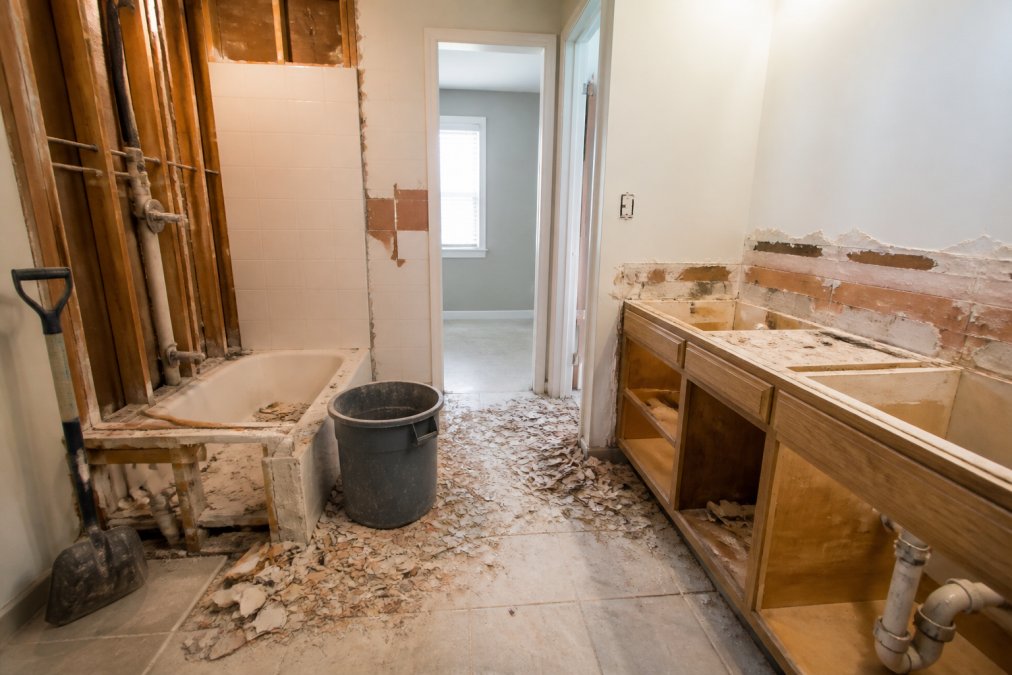
A full bathroom gut renovation strips a bathroom to the studs, replacing layout, plumbing, electrical, and every finish at once, which is why bathroom gut renovations are such a major undertaking. It delivers the biggest transformation, and the biggest bill, longest timeline, and most disruption. That trade-off is why so many Dallas homeowners seek alternatives to full bathroom gut renovations.
At Handy Gonzo's Home Improvements, three and a half decades in DFW homes show a consistent pattern: most bathrooms don't need demolition, just targeted updates. A dated vanity, worn tub finish, or tired tile can be refreshed without touching the plumbing layout, keeping the project faster, cleaner, and easier to live through.
The alternatives below range from cosmetic refreshes to specialty installations, each avoiding the cost and chaos of a full gut while still delivering a visible upgrade. We break down who each is best for and where it falls short.
Comparison of Bathroom Refresh Alternatives
The right alternative depends on what's wrong. If the layout works and fixtures function, a cosmetic refresh delivers the best return for the least disruption. If the tub or shower surround is failing, a specialty installation makes more sense.
| Alternative | Best For | Typical Scope | Disruption Level |
|---|---|---|---|
| Cosmetic refresh (paint, hardware, fixtures) | Functional but dated bathrooms | Tile painting, fixture swaps, vanity update | Low |
| Bathtub refinishing | Worn but structurally sound tubs | Resurfacing existing tub | Low |
| Vanity replacement | Storage and sink upgrades | New vanity, countertop, faucet | Moderate |
| Acrylic wall and tub systems | Failing surrounds, fast turnaround | Custom-fit liners and surrounds | Moderate |
| Cabinet refacing | Updating vanity storage | New doors, hardware, countertop | Low to moderate |
| DIY renovation | Hands-on homeowners | Variable, task by task | High |
One pattern stands out: alternatives that keep existing plumbing and layout are almost always fastest and cheapest. Move drains or supply lines, and you're back in full-gut territory.
Bathtub Refinishing vs Replacement: Which Makes Sense?
Bathtub refinishing recoats an existing tub with a durable surface layer; replacement removes the old tub and installs a new one. Refinishing costs a fraction of replacement and finishes in a day or two, but only works when the tub is structurally sound (angi.com).
Refinishing makes sense when the tub is solid but stained, chipped, or an outdated color: the surface is cleaned, repaired, and recoated for a like-new look without demolition. It's one of the most cost-effective updates short of a full gut.
Replacement is the better call when the tub is cracked through, flexing underfoot, or leaking at the drain. A failing tub can hide water damage underneath, and no coating fixes a structural problem.
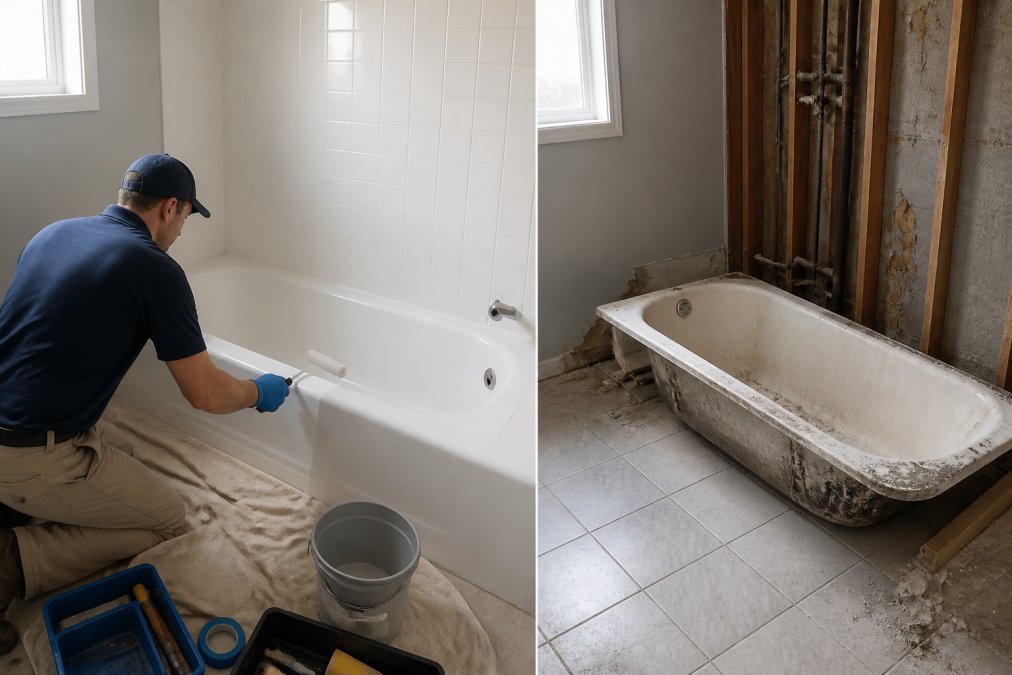
The trade-off is durability: a refinished surface won't last as long as a new tub, and heavy scrubbing or abrasive cleaners shorten its life further. For a bathroom you'll keep as-is, refinishing is the smart play; for one you're gutting later, replacement may be worth doing once.
Bathroom Vanity Replacement Cost: What to Expect
Bathroom vanity replacement cost depends on vanity size, countertop material, and whether plumbing moves. Swapping in the same footprint is straightforward; relocating the sink adds plumbing work and pushes the project toward a full remodel.
Costs break into three parts: cabinet, countertop, and installation labor. A stock vanity with a basic top sits at the low end; custom cabinetry with stone sits at the high end. Because pricing varies so much by material and size, get a written quote rather than trusting a generic number.
Here's what actually drives the price up or down:
- Cabinet type: stock, semi-custom, or custom
- Countertop material: laminate, quartz, or natural stone
- Sink style: drop-in, undermount, or vessel
- Plumbing changes: same spot versus relocated drain or supply
- Hardware and faucet: builder-grade versus designer
Think in tiers rather than a single number. A stock 30-inch vanity with laminate top and basic faucet in the existing footprint is the entry point. A semi-custom vanity with quartz top and undermount sink lands in the middle. A custom-built vanity with natural stone and a relocated drain tops the range and overlaps with partial remodel costs. Local labor rates and material availability move those figures, so a written quote for your bathroom beats any national average.
A few cost traps are worth knowing before you shop:
- Backsplash and side splash: often quoted separately from the countertop, and easy to forget.
- Faucet and drain assembly: frequently excluded from the vanity price.
- Wall repair: removing an old vanity can expose damaged drywall, missing tile, or a discontinued floor edge that no longer lines up.
- Valve and supply line age: if the shutoff valves are original, replacing them while the vanity is out is cheap insurance.
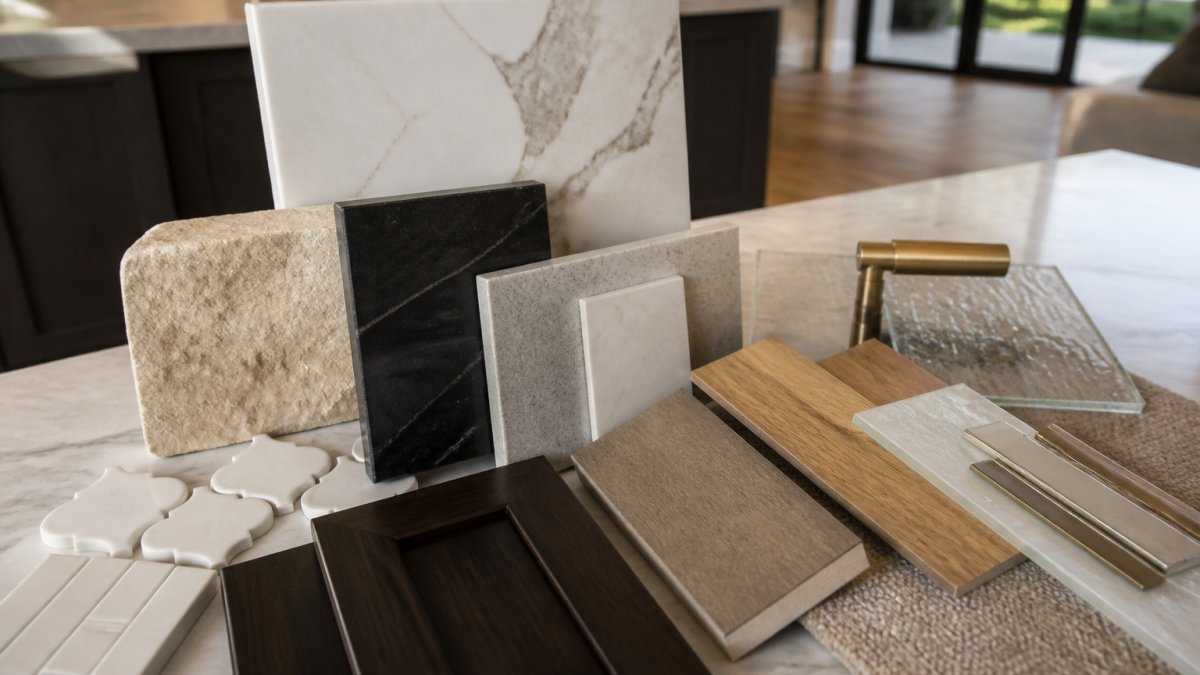
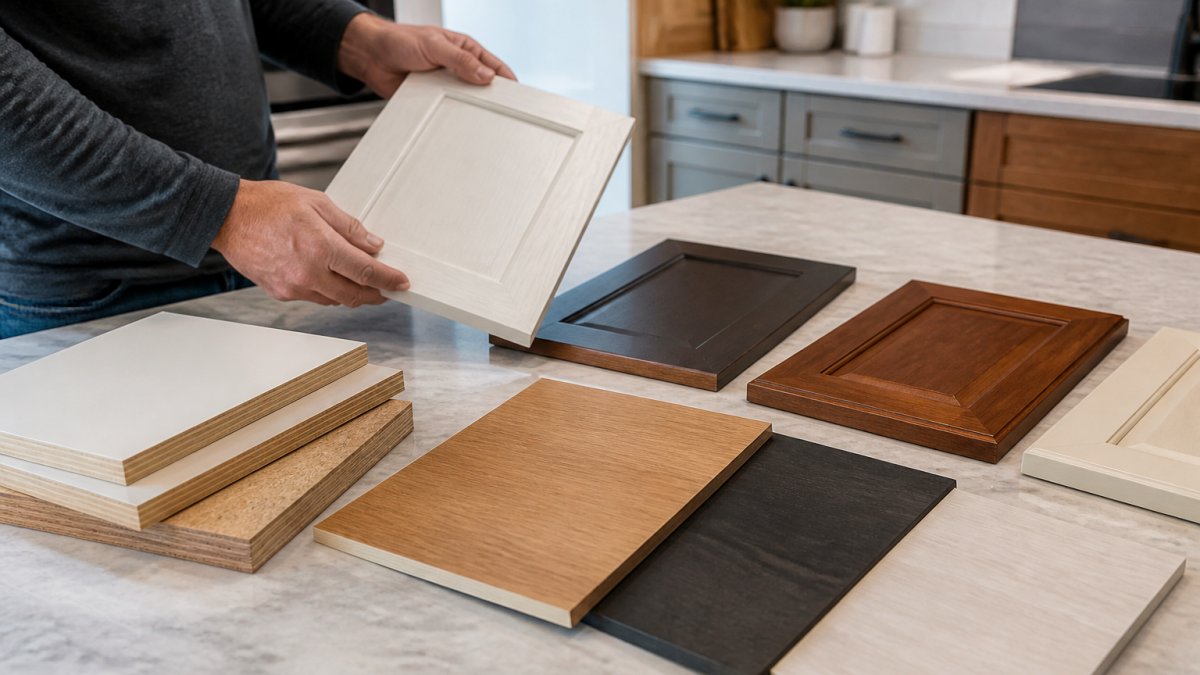
For the look of new cabinetry without the cost, consider refacing: new doors and drawer fronts plus a veneer on the cabinet boxes, keeping layout and plumbing untouched. It reads as a new vanity at a lower price, and since the box stays in place, there's no wall or floor repair to budget for.
Bathroom Tile Painting Best Practices for a Lasting Finish
Tile painting coats existing wall tile with a specialized epoxy or acrylic finish. It works best when tile is in good condition and the surface is prepped correctly, and it's one of the least invasive ways to change a bathroom's look without removing anything.
Prep is where most jobs succeed or fail. Clean off soap scum and oils, then etch or sand so the coating bonds. Fill and smooth grout lines first, coating over cracked or missing grout fails at those seams.
Follow these best practices for a finish that lasts:
- Clean the tile thoroughly and let it dry completely
- Repair or fill any cracked or missing grout
- Etch or sand the surface to give the coating something to grip
- Apply a bonding primer made for tile
- Brush the grout lines first, then roll the flat surfaces
- Apply two thin coats rather than one thick coat
- Let it cure fully before exposing it to water or scrubbing
The limitation is wear. Painted tile holds up well on walls and low-traffic areas but isn't a great fit for a shower floor or anywhere constantly soaked. For a backsplash or half-wall, it's a strong, low-cost upgrade; for a wet, high-use shower, proper tile replacement is more durable.
Step-by-Step Refresh Checklist for a Non-Gut Remodel
A non-gut remodel follows a clear sequence; the right order prevents rework. Here's the checklist we use:
- Define the goal: is this a quick refresh or a long-term update?
- Set a realistic budget and separate it into materials and labor
- Decide what stays: layout, tub, and plumbing are the anchors
- Choose finishes first: paint, tile coating, hardware, and fixtures
- Order materials before scheduling any labor
- Handle the small repairs first: grout, caulk, and any soft spots
- Refinish or paint surfaces before installing new fixtures
- Replace the vanity and faucet if storage is the main complaint
- Update lighting and hardware last for the finishing touch
- Check whether your project needs a permit before starting
That last point matters. Most cosmetic refreshes, painting tile, swapping a faucet, don't require a permit, but work touching plumbing, electrical, or structural elements often does, and codes vary by jurisdiction (hud.gov). Confirm with your local permitting office before work begins.
Prioritize by Impact, Not by Room
The mistake most homeowners make is treating the checklist as a top-to-bottom to-do list. It's a menu, and the order determines how much visual payoff you capture per dollar. To avoid a full gut renovation, sequence by impact-per-dollar, not by what's easiest to schedule.
Here's the priority order that consistently delivers the biggest visible change for the least spend:
- Lighting and hardware. Swapping a dated vanity bar light for a modern fixture and replacing cabinet pulls and knobs is the single highest-return, lowest-cost change in the room. No demolition, no plumbing, no permit in most cases.
- Paint. Walls, ceiling, and trim. A fresh coat in a current neutral resets the whole room and costs a fraction of any tile or fixture work.
- Grout and caulk refresh. Cleaning or recoloring grout and replacing failed caulk lines makes old tile read as maintained rather than worn. This is cosmetic, not structural, and it's cheap.
- Vanity hardware or refacing. If storage works but the cabinet looks dated, refacing the doors and drawer fronts gets a new-vanity look without moving plumbing.
- Faucet and showerhead swap. A modern faucet and a water-saving showerhead update the fixtures people actually touch, and both are simple swaps in the existing rough-in (the EPA).
- Tile painting or refinishing. Best saved for last because it's the most prep-intensive cosmetic option, and it only makes sense once the cheaper wins are already in place.
What to Skip If You're Avoiding a Gut
Some upgrades look like refreshes but aren't. Moving a drain, adding a circuit, or changing the shower or tub footprint pulls the project into full-gut territory, with the permits, inspection, and timeline that come with it. If a contractor proposes relocating the toilet or expanding the shower as part of a 'refresh,' get a second opinion on whether the layout truly needs to change.
A Realistic Weekend-to-Weekend Sequence
To avoid living in a construction zone: knock out lighting, hardware, and paint the first weekend; handle grout and caulk the next once paint cures; then schedule vanity work and any tile coating as one block so trades aren't in and out repeatedly. Batching keeps the bathroom usable between phases and avoids rework like installing a faucet before the countertop is set.
If you'd rather not manage the sequence yourself, a single crew that handles multiple trades keeps the project moving without you coordinating separate contractors.
Conclusion: Choosing the Right Alternative for Your Dallas Home
The right alternative comes down to what's failing. If layout and plumbing are sound, refinishing, tile painting, and a vanity swap deliver most of the visual payoff without a full gut's cost. If the tub or surround is structurally failing, a specialty installation or targeted replacement is the smarter spend.
For homeowners across the DFW Metroplex, Handy Gonzo's Home Improvements handles these partial updates with the same care as a full remodel. Digital quoting gives you a clear breakdown of materials, labor, and timeline before work begins, a dedicated multi-trade crew stays on your project start to finish, and we keep the job site clean daily so your home stays livable. With more than 35 years of experience, we'll help you decide whether a refresh or a larger remodel makes sense for your bathroom.
Get a free estimate from Handy Gonzo's Home Improvements and find out which refresh option fits your home and your budget.
Frequently Asked Questions
Can I update my bathroom without removing the existing layout?
Yes. Many Dallas homeowners refresh their bathrooms without moving plumbing or tearing out walls. You can replace the vanity, update fixtures, paint or refinish tile, and install a new countertop while keeping the existing layout. This approach avoids demolition costs and typically takes days instead of weeks. Handy Gonzo's Home Improvements offers digital quotes and a dedicated crew for these targeted updates.
What are the most cost-effective ways to modernize a dated bathroom?
Start with cosmetic changes: refinish the tub instead of replacing it, paint tile with a quality epoxy kit, swap outdated fixtures, and add a frameless glass enclosure. For vanity areas, refacing cabinets or installing a new vanity top delivers a high-impact look without moving plumbing.
How long does a non-gut bathroom refresh typically take?
Most partial refreshes depend on scope. Because there's no demolition, your bathroom stays usable throughout, and you avoid the weeks-long timeline of a full gut renovation.
Is it worth refinishing a bathtub instead of replacing it?
It's ideal if the tub is structurally sound but stained or outdated. However, if the tub is cracked or you want a different size or shape, replacement makes more sense. A professional can assess the tub's condition and recommend the best path.
What are the best ways to improve bathroom storage without structural changes?
Add a floating shelf above the toilet, install a recessed medicine cabinet between studs, or use an over-the-toilet storage rack. For vanity areas, swap in a larger vanity or add pull-out drawers. These solutions require no wall removal and can be done in a weekend. Handy Gonzo's Home Improvements can help with custom cabinetry and fixture updates.