 listicle
Alternatives to Full Kitchen Cabinet Replacement
Table of Contents
- Why Homeowners Look for Alternatives to Full Kitchen Cabinet Replacement
- Kitchen Cabinet Refacing Cost: What to Expect
- Cabinet Door Replacement Pros and Cons
- DIY Cabinet Painting Tips for a Fresh Look
- Modular and RTA Cabinet Systems: A Middle-Ground Option
- Open Shelving and Repurposed Furniture as Cabinet Alternatives
- How to Choose the Right Alternative to Kitchen Cabinet Replacement
- Frequently Asked Questions
Last Updated: September 16, 2026
Why Homeowners Look for Alternatives to Full Kitchen Cabinet Replacement
Alternatives to full kitchen cabinet replacement are renovation methods that update a kitchen's appearance and function without tearing out and rebuilding every cabinet box. They include refacing, door and drawer front swaps, painting, modular systems, and open storage.
Kitchen Cabinet Refacing Cost: What to Expect
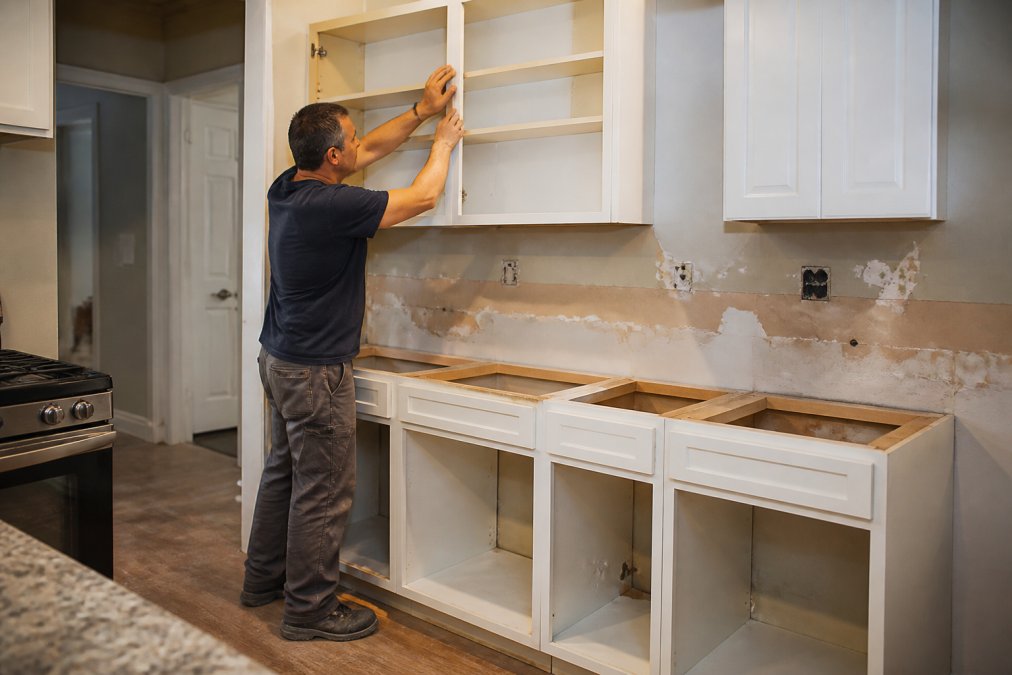
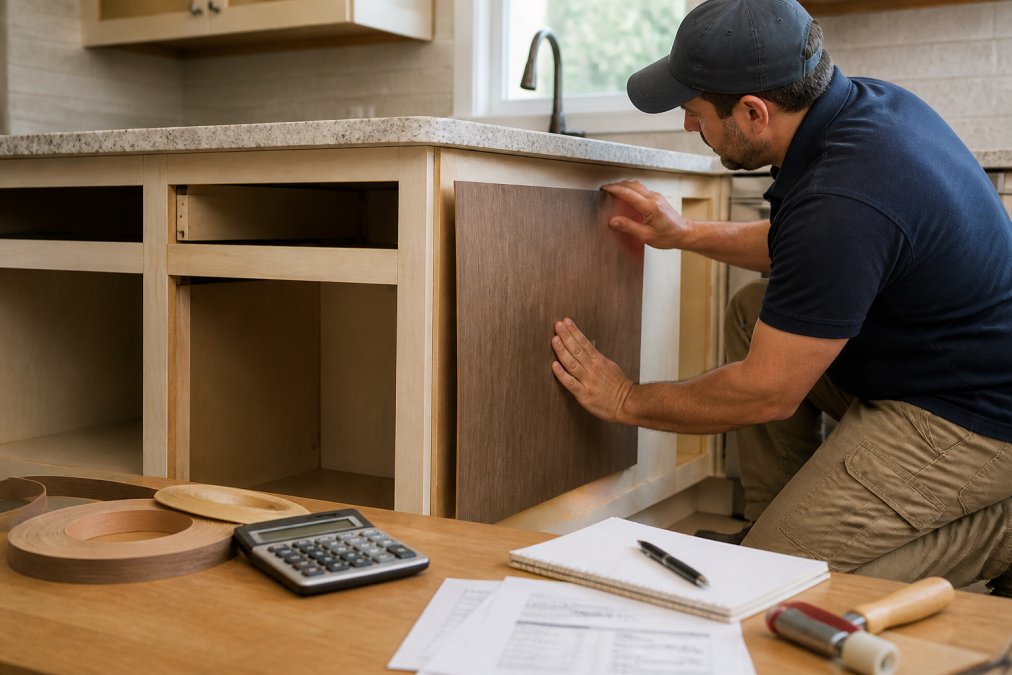
Cabinet refacing replaces the doors and drawer fronts and applies a new veneer or laminate skin to the existing boxes. It keeps the layout intact and typically runs well below the cost of new cabinetry because you are not paying for new boxes, new toe kicks, or new installation of the box run itself.
What actually moves the number
Refacing quotes are usually built from a per-door-front price plus a per-linear-foot price for the veneer skin, then adjusted for the items below. Most practitioners find the door front is the single largest line item, which is why material choice swings the total more than anything else.
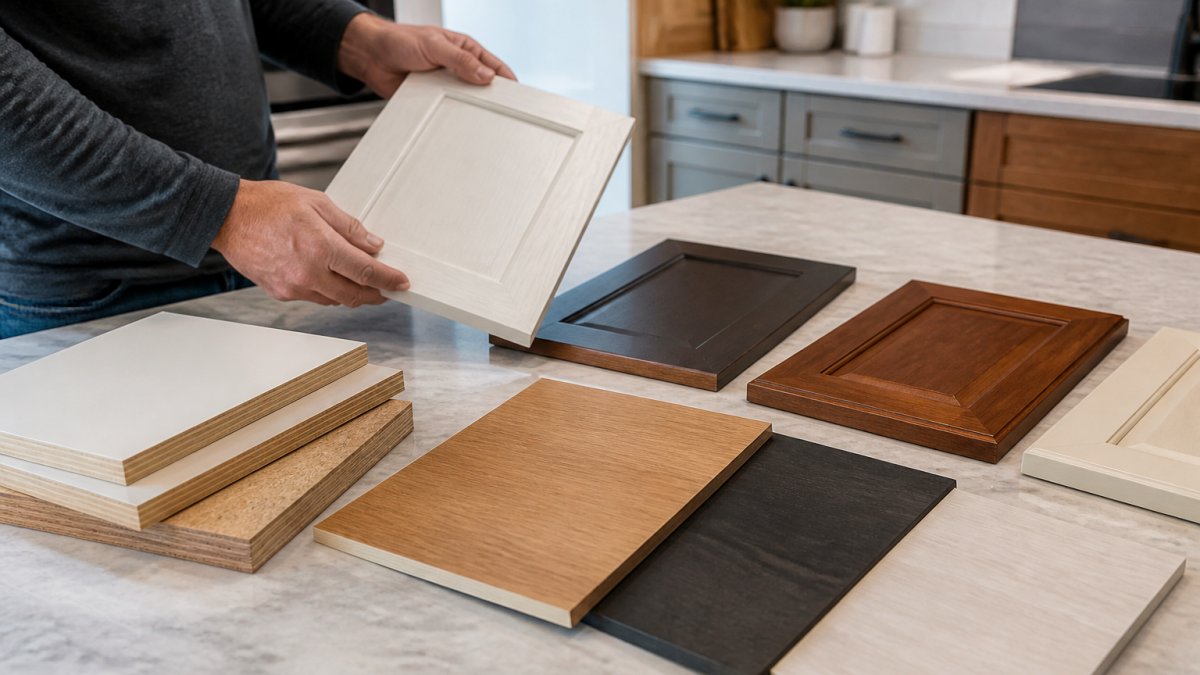
- Door material: laminate and thermofoil cost less than wood veneer; a painted MDF or HDF front often lands between the two
- Cabinet count and door style: more boxes means more surface area, and a raised-panel or glazed profile costs more to produce than a flat slab
- Drawer fronts: drawers are priced separately from doors and are often the hidden line item homeowners forget to ask about
- Hardware: new hinges, soft-close dampers, and pulls add cost but transform the look and are the cheapest upgrade per dollar
- Veneer coverage: visible sides, end panels, and the underside of upper cabinets may or may not be included, ask explicitly
- Box repairs: any rot, sag, or delamination must be fixed before refacing, and that labor is billed separately
How refacing compares to full replacement
A common pattern is that refacing lands at a fraction of the cost of full replacement, because you are paying for fronts and skin rather than boxes, countertop removal, plumbing disconnects, and drywall repair. The exact spread depends on door material and whether the layout changes. If the layout stays and the boxes are sound, refacing is almost always the lower-cost path.
The two costs competitors leave out
Permits and HOA approval. Refacing that does not move plumbing, electrical, or walls typically does not require a building permit, but many homeowners associations still require an architectural review before any exterior-visible or common-area-adjacent change. Read your covenants before you sign a contract, and budget time for the approval window, it can add weeks to the schedule even when it adds no dollars.
Cabinet Door Replacement Pros and Cons
Cabinet door replacement swaps only the doors and drawer fronts while leaving the boxes and frame untouched. It is the cheapest way to change the visual style of a kitchen without touching the structure.
Pros and cons at a glance:
| Factor | Door Replacement | Full Replacement |
|---|---|---|
| Cost | Lower | Highest |
| Disruption | Minimal | Weeks of work |
| Layout changes | None | Full flexibility |
| Box condition | Must be solid | Replaced |
| Best for | Style updates | Structural problems |
DIY Cabinet Painting Tips for a Fresh Look
Painting is the most budget-friendly alternative, and it is the one homeowners most often attempt themselves. The results live or die on prep work, not paint quality, a premium enamel over a greasy, glossy surface will fail faster than a mid-grade enamel over a properly prepped one.
The prep steps that decide the outcome
A common mistake is skipping degreasing. Kitchen cabinets collect a film of cooking grease that repels paint and causes peeling within months. Clean every surface with a degreaser, then scuff-sand so the primer has something to grip.
Follow this order:
- Remove all doors, drawers, and hardware, and label each door with its location, hinge holes are not always interchangeable
- Degrease and rinse every surface, including the box frames, the inside edges, and the underside of the uppers
- Scuff-sand with a fine grit and wipe away all dust with a tack cloth
- Apply a bonding primer made for glossy or laminate surfaces, this is the step that lets paint stick to thermofoil and factory-finished boxes
- Fill and sand any dings, then spot-prime the repairs
- Paint with a cabinet-grade enamel, not wall paint, using thin coats rather than one heavy coat
- Let each coat dry to the recoat window on the can before adding the next
- Reassemble only after the full cure window, not the dry-to-touch time
Why cabinet-grade enamel is not optional
Wall paint is formulated to stay flexible and to touch up easily. Cabinet enamel is formulated to cure hard and resist blocking, the tendency of painted surfaces to stick to each other under pressure. On cabinet doors, blocking shows up as torn paint along the edges where the door meets the frame. That is the single most common DIY failure, and it is caused by rehanging too early or by using the wrong product.
Temperature and humidity change the schedule
Paint and primer have a manufacturer-stated temperature and humidity range, and falling outside it is the most common reason a DIY job fails in a hot, humid climate. High humidity slows curing and can leave a soft, tacky film; direct sun on doors drying in a garage can cause them to skin over before the solvents escape. A common pattern is to paint in a climate-controlled space, keep air moving with a fan, and add drying time rather than subtracting it when the weather is against you.
What painting cannot fix
Painting suits solid wood and laminate boxes alike, but it will not hide structural damage, swollen particleboard, or a failing layout. It also will not fix doors that no longer sit square in the frame. Treat it as a cosmetic refresh, and if the boxes are soft or sagging, put the paint budget toward refacing or new boxes instead.
A realistic time budget
Most homeowners underestimate the drying and cure time far more than the painting time. The hands-on work, removing, cleaning, sanding, priming, and painting, is a weekend or two of effort. The calendar time is longer, because doors must cure flat before they go back up. Plan for the kitchen to be without doors for that window, and stage the contents of the cabinets somewhere out of the way before you start.
Modular and RTA Cabinet Systems: A Middle-Ground Option
Modular and ready-to-assemble systems sit between refacing and full custom cabinetry. You buy new boxes in standard sizes, then assemble and install them yourself or with a crew.
Open Shelving and Repurposed Furniture as Cabinet Alternatives
Open shelving and repurposed furniture replace upper cabinets with exposed storage. Both cost far less than cabinetry and change how a kitchen feels.
How to Choose the Right Alternative to Kitchen Cabinet Replacement
Use this decision path:
- Boxes solid, layout fine, want a new look: reface or replace doors
- Boxes solid, tight budget, handy: paint them
- Boxes worn or layout wrong: modular or RTA systems
- Want an open, airy feel: open shelving
- Want character on a budget: repurposed furniture
At Handy Gonzo's Home Improvements, we have spent over three and a half decades helping homeowners make exactly this call. Our digital quoting breaks down materials, labor, and timeline before work begins, so you know what you are paying for. A dedicated multi-trade crew handles the job from start to finish, and we keep your home livable while we work.
Frequently Asked Questions
Is cabinet refacing cheaper than replacing cabinets?
Cabinet refacing typically costs less than full cabinet replacement because you keep the existing cabinet boxes and only replace doors, drawer fronts, and veneer. The exact savings depend on cabinet size, material choice, and labor in your area. Refacing also generates less waste since the structural boxes stay in place. For a precise quote, contact a professional who can assess your current cabinets and provide a transparent breakdown.
Can I paint my kitchen cabinets to make them look new?
Yes, painting is one of the most budget-friendly alternatives to full kitchen cabinet replacement. Proper prep is critical: remove doors and hardware, clean all surfaces to remove grease, sand lightly, and apply a bonding primer before painting. Use a high-quality cabinet paint and allow adequate drying time between coats. The finish can last years if done correctly, though heavily worn or damaged cabinets may need refacing or replacement instead.
How long do cabinet refacing projects typically take?
Most cabinet refacing projects take two to four days for an average-sized kitchen, depending on the number of cabinets and the complexity of the layout. The process involves removing old doors and drawer fronts, applying veneer to the boxes, and installing new doors and hardware. Because the existing boxes stay in place, there is less disruption than a full replacement, and your kitchen remains usable throughout most of the project.
Does cabinet hardware replacement make a big difference?
Replacing cabinet hardware is a low-cost update that can noticeably change the look of your kitchen. New pulls and knobs can shift the style from traditional to modern or vice versa without touching the cabinet boxes or doors. It is often combined with painting or refacing for a more comprehensive update. Choose hardware that matches your kitchen's overall design aesthetic and consider ergonomic shapes for comfort.
Are there eco-friendly ways to update kitchen cabinets?
Refacing, painting, and hardware replacement are all more eco-friendly than full replacement because they keep existing cabinet boxes out of landfills and reduce demand for new materials. You can also choose low-VOC or zero-VOC paints and finishes to improve indoor air quality. Repurposing antique hutches or open shelving made from reclaimed wood are additional sustainable options that add character while reducing waste.
Your cabinets do not have to be replaced to look and function like new. Whether you reface, repaint, or rebuild with modular boxes, the right method depends on your boxes, your budget, and your tolerance for disruption. Handy Gonzo's Home Improvements offers transparent digital quotes, a consistent crew across every trade, flexible payment options, and clean job sites daily. Get a free estimate and find the alternative that fits your kitchen.