 ultimate-guide
Eco-Friendly Home Remodeling Tips for Texas
Table of Contents
- Why Eco-Friendly Home Remodeling Matters in Texas
- Energy Efficient Home Upgrades That Work in Hot Climates
- Sustainable Building Materials for Durability
- Water Conservation and Native Plant Integration
- Home Renovation Tax Credits and Incentive Programs
- DIY vs. Professional Contractor Approach
- Measuring Your Home's Environmental Impact
- Frequently Asked Questions
Last Updated: September 27, 2026
Why Eco-Friendly Home Remodeling Matters in Texas
Texas homeowners face rising energy costs in summer heat and water scarcity. Eco-friendly home remodeling cuts utility bills, improves comfort, and increases resale value. At Handy Gonzo's Home Improvements, we work with families across the DFW Metroplex on their home improvement projects.
Eco-friendly home remodeling is both an environmental and financial decision, paying back through lower monthly expenses and reduced maintenance.
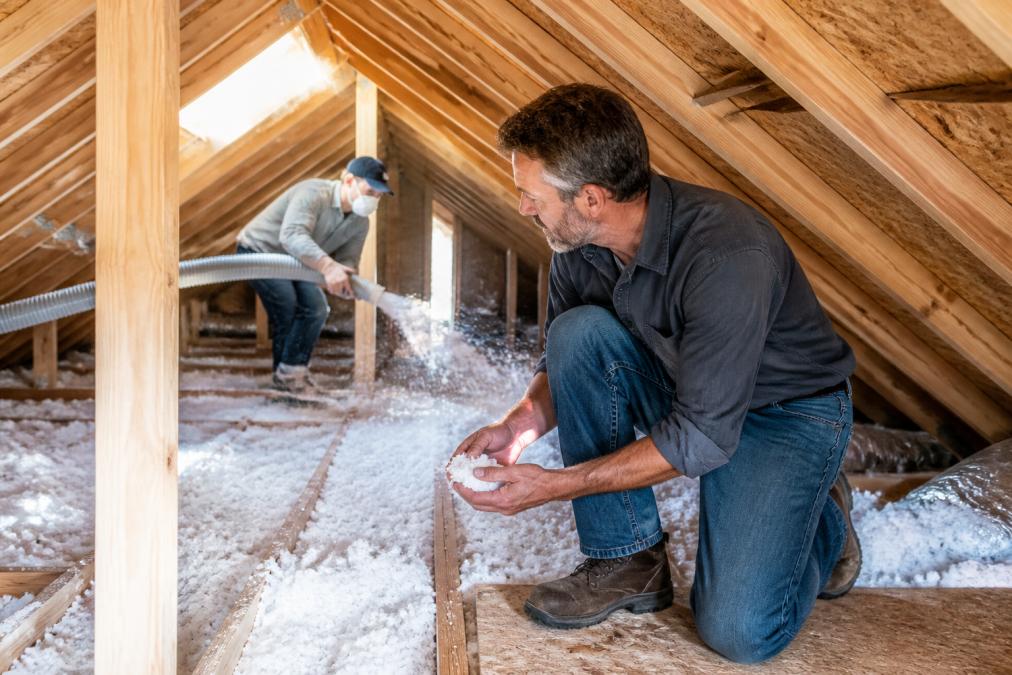
Energy Efficient Home Upgrades That Work in Hot Climates
The most effective energy-efficient home upgrades target heat gain reduction through your thermal envelope, solar exposure, and mechanical conditioning.
Insulation and Air Sealing Strategies
Blown-in insulation in attics, walls, and crawl spaces creates a continuous thermal barrier. Air sealing, caulking gaps around windows, doors, outlets, and ductwork, prevents conditioned air from escaping and outside heat from infiltrating.
Hire a professional for an energy audit to identify your largest leaks, then prioritize sealing the worst offenders before upgrading insulation to maximize ROI.
Solar Orientation and Passive Cooling
Windows facing west and south receive intense solar radiation. Reflective film, exterior shading, or heat-rejecting coatings reduce heat gain. Operable awnings that extend in summer and retract in winter provide passive cooling without electricity.
Cross-ventilation, opening windows on opposite sides during cooler morning and evening hours, purges accumulated heat naturally, especially in spring and fall.
HVAC Efficiency and Ventilation Systems
A modern HVAC unit with a high SEER rating uses significantly less electricity than older models. Proper sizing is critical: oversized systems waste energy cycling on and off; undersized units run continuously without reaching setpoint.
Proper ductwork design, sealed connections, and regular filter changes ensure efficient air delivery. Whole-home ventilation systems exchange stale indoor air with fresh outdoor air while recovering heat or cooling.
Sustainable Building Materials for Durability
Choosing sustainable materials means balancing environmental impact with performance in Texas's demanding climate. Materials that perform well in mild climates can warp, rot, or degrade rapidly under Texas heat and humidity, so climate-appropriate selection prevents costly replacements.
Climate-Specific Material Challenges in Texas
Texas presents three overlapping material stressors:
Extreme heat and UV exposure: Summer surface temperatures on south- and west-facing walls can exceed 140°F. This thermal cycling, extreme daytime heat followed by cooler nights, causes expansion and contraction that stresses material joints and finishes. UV radiation degrades paints, coatings, and polymers faster than in cooler regions.
High humidity and moisture cycling: Coastal areas and East Texas experience sustained humidity above 70 percent. Inland areas see rapid humidity swings (dry mornings, humid afternoons).
Sustainable Materials That Perform in Texas Heat and Humidity
Fiber cement board (for walls, soffits, trim): Resists moisture, mold, and UV degradation. Costs 2-3 times more than drywall but lasts 30+ years in bathrooms, kitchens, and exterior soffits. Install with stainless-steel fasteners to prevent corrosion.
Materials to Avoid or Modify in Texas Climates
Standard drywall: Absorbs moisture, warps, and supports mold growth. Replace with fiber cement board in bathrooms, kitchens, and exterior walls.
Material Selection Checklist for Texas Remodels
Before specifying any material, ask your contractor: Has it been tested in high-heat, high-humidity climates? What is the Texas-specific lifespan? What maintenance is required? Are fasteners corrosion-resistant? Does it have a 10-25 year warranty? What is the true 20-year cost of ownership?
Water Conservation and Native Plant Integration
Reducing indoor and outdoor water consumption protects utility costs and regional water supplies.
Low-Water Landscaping and Xeriscaping
Xeriscaping uses drought-tolerant plants, mulch, and drip irrigation to reduce water loss. Replacing turf grass with native groundcovers, shrubs, and perennials requires less fertilizer, mowing, and chemicals. Permeable paving allows rainwater to infiltrate, recharging groundwater and reducing storm drain burden.
Native Texas Plants for Natural Cooling
Native plants require less water and maintenance. A mature tree cools surrounding air by 2-8°F through evapotranspiration. Plant native shade trees (live oak, cedar elm, bur oak) on south and west sides for decades of cooling benefit.
Home Renovation Tax Credits and Incentive Programs
Federal and state tax incentives can offset eco-friendly home remodeling costs by 30-50 percent, but only if you understand which improvements qualify and meet pre-approval deadlines.
Federal Energy Tax Credits and Eligibility
The Inflation Reduction Act expanded federal energy tax credits for residential home improvements through 2032, reducing federal income tax liability dollar-for-dollar.
Qualifying improvements and credit amounts include:
- Insulation and air sealing: Up to $1,200 per year for insulation, air sealing, ventilation systems, and duct sealing. Blown-in attic insulation, wall cavity insulation, and basement rim joist sealing all qualify.
- Windows and doors: Up to $600 per year for energy-efficient windows and exterior doors (must meet ENERGY STAR specifications for your climate zone).
- Roofing: Up to $1,500 per year for metal roofing or asphalt shingles with high solar reflectance (cool roofs).
- HVAC systems: Up to $2,000 per year for air-source heat pumps, ground-source heat pumps, or central air conditioning systems with a SEER2 rating of 16 or higher.
- Water heaters: Up to $1,500 per year for heat pump water heaters or solar water heating systems.
- Biomass stoves: Up to $2,000 per year for wood or pellet stoves.
Texas-Specific Utility Rebate Programs
Utility rebates stack on top of federal credits, but programs vary by service territory and change annually. Pre-approval is often required before work begins, starting a project without confirming rebate eligibility can disqualify you.
Major utility providers and typical programs:
- Oncor Electric Delivery (serves North, Central, and East Texas): Offers rebates for HVAC upgrades (typically $300-$500 for high-efficiency units), insulation and air sealing ($0.50-$1.00 per square foot), and heat pump water heater installation ($500-$750). Rebates require pre-approval and proof of installation.
- Austin Energy (City of Austin municipal utility): Provides rebates for heat pump installation ($1,500-$2,500), insulation upgrades, and cool roof coatings. Austin Energy also offers a free energy audit to identify the highest-impact improvements for your home.
- CPS Energy (San Antonio area): Rebates for HVAC replacement, insulation, and smart thermostats. CPS Energy's rebate program emphasizes demand-side management during peak summer cooling hours.
- Reliant Energy and TXU Energy (deregulated markets in Dallas, Houston, and surrounding areas): Rebate availability depends on your specific retail electric provider. Contact your provider directly, as programs change quarterly.
- Local water utilities: Most municipal water districts offer rebates for low-flow toilets, faucet aerators, and drought-tolerant landscape conversions (typically $1-$3 per fixture or $0.50-$1.50 per square foot of turf removal).
Timing and Claiming Process
Federal credits are claimed on your tax return (IRS Form 5695 for most residential energy credits). You must have owned and lived in the home for at least two of the five years before the improvement to qualify. Rental properties and second homes do not qualify.
Action checklist before starting any eco-friendly remodeling project:
- Contact your utility company and request current rebate programs and pre-approval forms.
- Confirm your federal tax credit eligibility (homeownership, primary residence, income limits if applicable).
- Request manufacturer certifications for all materials (windows, HVAC, insulation, roofing).
- Get contractor quotes that itemize materials and labor separately, the IRS may request proof of material costs.
- Schedule pre-approval with your utility before signing a contract.
- Keep all receipts, invoices, and certifications in a dedicated folder.
- Submit utility rebate claims within the deadline (typically 30-90 days of completion).
- Claim federal credits on your next tax return using Form 5695.
DIY vs. Professional Contractor Approach
Air sealing, weatherstripping, and caulking suit DIY execution. Blown-in insulation, HVAC work, electrical upgrades, and roofing require licensed professionals for code compliance and warranty protection. Handy Gonzo's Home Improvements provides digital quotes with a clear breakdown of materials, labor, and timeline.
Measuring Your Home's Environmental Impact
Before remodeling, note baseline energy and water consumption from utility bills. After completion, monitor the same metrics over 12 months. Many utilities provide online dashboards comparing your consumption to similar homes. Carbon footprint calculators estimate greenhouse gas emissions; reducing your footprint by 20-30 percent is realistic.
| Strategy | Best For | Expected Benefit |
|---|---|---|
| Blown-in insulation & air sealing | Reducing cooling load | 15-25% energy savings |
| Solar control (film, awnings, coatings) | Blocking heat gain | 10-20% cooling cost reduction |
| HVAC upgrade to high-SEER unit | Replacing old systems | 20-40% efficiency gain |
| Reclaimed/sustainable materials | Kitchen, bathroom, flooring | Durability + environmental impact |
| Native shade trees & xeriscaping | Outdoor cooling & water savings | 20-30% landscape water reduction |
| Federal tax credits + utility rebates | Offsetting upgrade costs | 30-50% net cost reduction |
Frequently Asked Questions
What eco-friendly home upgrades deliver the biggest energy savings in hot climates?
In hot climates, air sealing and proper insulation reduce cooling costs the most. Adding reflective roofing, upgrading to ENERGY STAR HVAC systems, and installing low-emissivity windows also cut energy use significantly. Solar orientation during remodeling, positioning windows and overhangs to minimize heat gain, pays dividends over time. Combining these upgrades creates a thermal envelope that keeps interior temperatures stable without over-relying on air conditioning.
Are there tax credits available for eco-friendly home renovations?
Yes. The federal Residential Energy Credits allow homeowners to claim up to 30% of costs for qualifying energy-efficient upgrades, including insulation, HVAC systems, water heaters, and windows. Some upgrades have annual caps per category. Check the IRS website for current eligibility and always consult a tax professional to confirm your specific improvements qualify before starting work.
What sustainable materials hold up best in Texas heat and humidity?
Reclaimed wood, composite decking, and metal roofing resist warping and rot in high-humidity environments. Concrete and stone are durable choices for patios and landscaping. For interior finishes, look for low-VOC paints and sustainably sourced cabinetry. Ask your contractor about material durability ratings in humid climates, not all eco-friendly options perform equally in your specific conditions.
Should I handle eco-friendly upgrades myself or hire a professional?
Air sealing, insulation, and HVAC work require technical expertise and often affect your warranty or eligibility for tax credits. Professional installation ensures proper performance and compliance. Landscaping, painting, and fixture upgrades are more DIY-friendly if you have the skills. A professional energy audit ($300-$500) identifies which upgrades matter most, helping you prioritize spending and avoid costly mistakes.
EXTERNAL CITATIONS:
ENERGY STAR home energy audit guidance
IRS residential energy credits and deductions
Oncor Electric Delivery energy efficiency rebates