 ultimate-guide
Guest Bathroom Remodel Cost: DFW Pricing Guide
Table of Contents
- What Drives Guest Bathroom Remodel Costs
- Labor Costs in the DFW Market
- Average Duration of a Bathroom Renovation
- Best Practices for Bathroom Remodeling
- Hiring a Bathroom Contractor
- Guest Bathroom vs. Primary Bathroom Remodel Costs
- Hidden Costs and How to Avoid Surprises
- Frequently Asked Questions
Last Updated: August 30, 2026
What Drives Guest Bathroom Remodel Costs
Your guest bathroom remodel cost depends on core decisions made before work begins. At Handy Gonzo's Home Improvements, projects that stay on budget are those where scope gets locked down early. The cost is shaped by how much of the space you're changing, a cosmetic refresh versus a full gut remodel live in completely different budget universes.
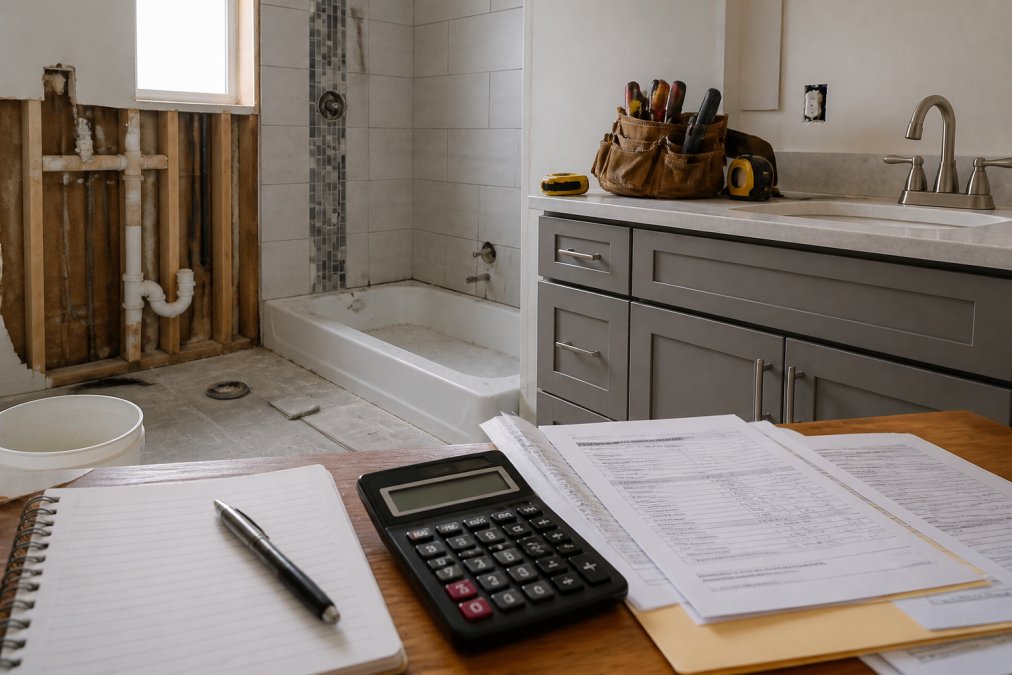
Project Scope: Cosmetic vs. Full Gut Remodel
A cosmetic refresh replaces the vanity, updates lighting and fixtures, refreshes paint and hardware, while plumbing, electrical, and walls remain unchanged. This works when existing bones are solid and you want a current look.
A full gut remodel strips everything down. Drywall comes off, plumbing relocates, electrical is rewired, flooring is removed. You can reimagine the entire layout, but the tradeoff is cost and complexity. Opening walls often reveals water damage, outdated wiring, or structural issues requiring additional work.
Most guest bathroom projects fall between these extremes: a semi-gut that keeps the layout but replaces everything visible, upgrades fixtures, and installs new flooring and tile. This delivers a modern look without full demolition expense.
Square Footage and Layout Changes
Guest bathrooms typically range from 35 to 60 square feet (nkba.org). Smaller spaces have lower material costs, but a 40-square-foot bathroom can cost as much as a 50-square-foot one if significant plumbing or electrical changes occur.
Layout changes drive costs up fastest. Moving a toilet requires rerouting supply lines and the vent stack. Moving a sink means new water lines and drain work. Relocating the shower involves substantial plumbing and waterproofing challenges. Keeping the existing layout saves thousands in labor and materials. Simpler configurations with a single vanity, toilet, and shower cost less than double vanities or separate soaking tubs.
Material and Finish Selection
Tile is the biggest material decision. Ceramic and porcelain are durable, affordable, and versatile. Natural stone, marble, granite, and slate cost significantly more but deliver a luxury look. The price difference between a ceramic tile shower and a marble one can easily add thousands.
Vanities range from builder-grade stock units to custom cabinetry. Countertop choices matter: laminate is budget-friendly, quartz is mid-range and durable, and marble or granite is premium. Fixtures, faucets, showerheads, and lighting add up quickly. A basic chrome faucet costs a fraction of a designer brass one.
Material costs typically represent 40-50% of total guest bathroom remodel cost, with labor making up the rest. Mid-range finishes usually hit the sweet spot between quality and budget.
Labor Costs in the DFW Market
Labor is the other half of your cost equation. In the DFW area, skilled tradespeople command competitive rates because the market is active and demand is strong. A plumber, electrician, tile specialist, and general contractor each bring different expertise and charge accordingly.
Project complexity determines how many trades you need and how long they stay on site. A cosmetic refresh might need a general contractor, plumber for fixtures, and electrician for lighting. A gut remodel requires all of those plus a tile specialist and possibly a waterproofing expert.
Labor costs scale with time. A straightforward guest bathroom remodel takes two to three weeks. A complex one with layout changes, plumbing relocation, and custom tile work can stretch to six weeks or longer. Scope creep extends timelines and increases labor bills. Handy Gonzo's Home Improvements uses a dedicated crew trained across multiple trades, reducing scheduling conflicts and keeping your project moving predictably.
Average Duration of a Bathroom Renovation
A cosmetic guest bathroom remodel usually takes 2-3 weeks with straightforward work and no surprises. A semi-gut remodel, replacing most components while keeping the layout, typically runs 3-5 weeks. A full gut remodel with layout changes can take 6-10 weeks or longer, including permit timelines.
Material lead times, weather, unexpected structural problems, or permit delays can add weeks. Contractors build contingency time into estimates, and you should budget flexibility into your schedule.
Best Practices for Bathroom Remodeling
Start with a clear scope of work. Write down exactly what's being changed, what's staying, and what finishes you want. Vague scope creates confusion, leading to change orders and cost overruns.
Get multiple contractor bids. Compare not just price but also what's included, timeline, warranty, and communication style. The cheapest bid isn't always the best value.
Establish a contingency budget. Even with careful planning, guest bathroom remodels uncover surprises, water damage, outdated electrical, plumbing that doesn't meet code. A 10-15% contingency buffer prevents being blindsided.
Communicate regularly with your contractor. Weekly check-ins prevent small issues from becoming big problems. A good contractor welcomes questions and explains decisions clearly.
Budgeting and Contingency Planning
Your budget should account for materials, labor, permits, and contingency. A realistic approach: estimate materials and labor, then add 15% for contingencies. If your estimate is $8,000, your contingency buffer is $1,200, bringing your total to $9,200.
Track spending as the project progresses. Your contractor should provide regular updates on what's been spent and what remains. Prioritize where you'll spend money, if budget gets tight, know whether you'd choose mid-range tile instead of premium stone or keep the original vanity.
Permits and Building Code Compliance
Permits ensure work meets safety standards and protects your home's structural integrity. Most guest bathroom remodel work requires permits, especially for plumbing or electrical changes. Permit costs typically represent 5-10% of your total project cost.
Building codes govern plumbing vent requirements, electrical outlet placement, and ventilation standards. A bathroom must have adequate ventilation to prevent mold (the CDC). Electrical outlets near water need GFCI protection (nfpa.org). A reputable contractor knows local codes and builds compliance into the project plan from day one.
Hiring a Bathroom Contractor
Choosing the right contractor determines whether your guest bathroom remodel stays on budget, schedule, and delivers expected quality.
Ask for references and call previous clients about their experience. Did the contractor communicate well? Did the project stay on budget? How was the job site kept?
Check credentials. Ensure your contractor is licensed, bonded, and insured.
Interview multiple contractors and get at least three bids. Listen to how they explain scope, timeline, and cost. A good contractor educates you, not just quotes you.
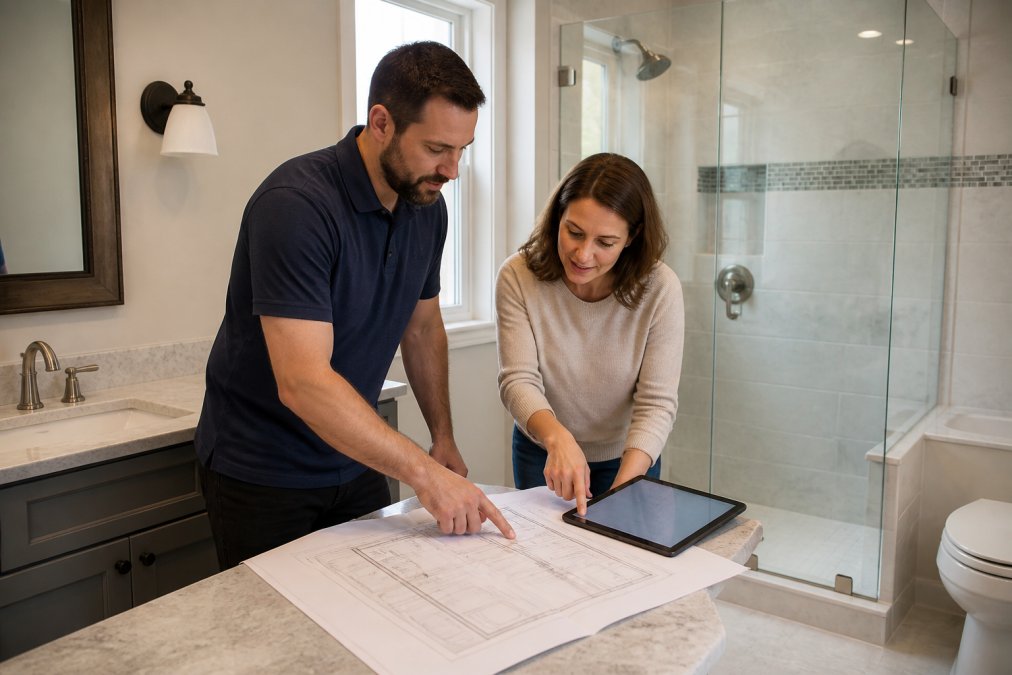
What to Expect in a Contractor Quote
A professional quote breaks down costs clearly with line items for materials, labor, permits, and contingency allowances. It should specify timeline, when work starts, how long each phase takes, and when inspections are scheduled.
Warranties matter. Most reputable contractors offer a one-year warranty on workmanship. Payment terms should be clear: typically a deposit upfront, progress payments as work advances, and final payment upon completion. Avoid contractors demanding full payment upfront or cash only.
Guest Bathroom vs. Primary Bathroom Remodel Costs
Guest bathrooms are typically smaller and simpler, getting less daily use. You can choose finishes based on style rather than longevity. Guest bathroom remodels are often cosmetic or semi-gut projects.
Primary bathrooms are larger, get heavy daily use, and typically include soaking tubs or large showers. They require more complex plumbing, more tile work, and higher-end finishes.
Because guest bathrooms are smaller and simpler, your guest bathroom remodel cost is typically lower than a primary bathroom remodel. The real savings come from simplicity and smaller size, not from choosing lower quality. A well-done guest bathroom remodel delivers style and function without primary bath expense.
Hidden Costs and How to Avoid Surprises
Lead paint is common in homes built before 1978. Abating lead adds cost and time. Test early so you can budget for it.
Asbestos appears in older tile, drywall, and insulation. Removing it requires certified professionals and adds significant cost.
Water damage behind walls often appears during demolition. If your guest bathroom remodel uncovers rot or structural damage, it needs fixing before proceeding. This is where contingency budgets become essential.
Plumbing and electrical surprises occur when existing systems don't meet code or are in poor condition. The best way to avoid surprises is hiring a contractor who inspects thoroughly before quoting. Handy Gonzo's Home Improvements provides transparent digital quoting with clear breakdowns of materials, labor, and timeline.
Ask your contractor to walk you through potential problem areas and their protocol if something unexpected appears. A contractor who thinks through these scenarios and communicates clearly is one you can trust.
| Cost Factor | Impact on Budget | How to Control It |
|---|---|---|
| Project scope (cosmetic vs. gut) | Highest | Define scope clearly before starting |
| Material selection | High | Choose mid-range finishes for best value |
| Layout changes | High | Minimize plumbing and electrical relocation |
| Square footage | Medium | Smaller spaces cost less overall |
| Labor rates (DFW market) | Medium | Get multiple bids; compare value, not just price |
| Permits and inspections | Low-Medium | Budget 5-10% of project cost |
| Contingency unknowns | Medium | Reserve 10-15% for surprises |
| Timeline delays | Medium | Clear scope and communication reduce delays |
Planning a guest bathroom remodel requires understanding what drives costs and making intentional choices about scope, materials, and contractor selection. Projects that deliver the best results stay on budget because homeowners and contractors align on expectations upfront. Handy Gonzo's Home Improvements has spent over three decades helping DFW homeowners navigate this process with transparent quoting, a dedicated crew that stays consistent throughout your project, and a commitment to keeping your home livable during construction. Get a free estimate to see how your guest bathroom remodel can be planned with clarity and confidence.
Frequently Asked Questions
Q: How much should a guest bathroom remodel cost?
A: Guest bathroom remodel costs depend on project scope, materials, and labor in your area. A cosmetic refresh might run significantly less than a full gut remodel with new plumbing and electrical work. The best approach is to get quotes from local contractors who can assess your specific needs. Handy Gonzo's Home Improvements offers free estimates that break down materials, labor, and timeline so you know exactly what to expect before work begins.
Q: What is the average duration of a bathroom renovation?
A: Most guest bathroom renovations take 3 to 6 weeks, depending on scope and complexity. A cosmetic refresh with new fixtures and finishes typically takes 3 to 4 weeks. A full gut remodel involving plumbing relocation, electrical upgrades, and structural changes can stretch to 6 to 8 weeks. Supply chain delays and permit processing can add time. Your contractor should provide a realistic timeline upfront and communicate any changes as the project progresses.
Q: What are the best practices for bathroom remodeling?
A: Start with a clear budget and set aside a 10-15% contingency fund for unexpected issues. Plan your layout carefully to avoid costly plumbing or electrical relocations. Choose durable, mid-range finishes that balance cost and longevity. Obtain all required permits and inspections to ensure code compliance and protect your home's value. Work with a contractor who maintains clean job sites and keeps you informed throughout the project. Get everything in writing, including materials, labor costs, and the project timeline.
Q: What factors drive the biggest price difference between a guest bathroom and primary bathroom remodel?
A: Primary bathrooms typically cost more because they're larger, include features like double vanities or spa showers, and often require more complex plumbing work. Guest bathrooms are usually smaller with simpler layouts, making them more budget-friendly. The size difference alone can shift costs significantly. Additionally, primary bathrooms often include higher-end finishes and luxury upgrades, while guest bathrooms typically use mid-range materials. Your contractor can explain how your specific home's layout affects pricing.