 ultimate-guide
How to Choose a Kitchen Backsplash Design
Table of Contents
- Understanding Your Kitchen Backsplash Design Options
- How to Match Backsplash with Countertops
- Kitchen Backsplash Material Comparison
- Backsplash Tile Installation Cost and Budget Planning
- Design Patterns and Layout Considerations
- Common Mistakes to Avoid When Choosing a Backsplash
- Working with a Professional for Your Backsplash Installation
- Frequently Asked Questions
Last Updated: September 28, 2026
Understanding Your Kitchen Backsplash Design Options
A kitchen backsplash design serves as both a protective barrier and a focal point in your kitchen space. It's the area between your countertop and upper cabinets where splashes from cooking and cleaning occur most frequently. Beyond function, your backsplash choice sets the aesthetic tone for your entire kitchen, influencing how the space feels and flows visually.
The decision about which kitchen backsplash design to select involves balancing three key considerations: durability, maintenance, and visual impact. Most homeowners focus heavily on appearance but underestimate how much daily use affects material performance. What looks stunning in a showroom might require constant cleaning or crack under temperature fluctuations in your actual kitchen environment.
At Handy Gonzo's Home Improvements, we've helped hundreds of homeowners navigate this choice by examining both the practical and design implications. The right backsplash enhances your kitchen's functionality while reflecting your personal style. With over 35 years of experience in kitchen renovations, we understand that this single design element can dramatically transform how you experience your kitchen daily.
How to Match Backsplash with Countertops
The relationship between your kitchen backsplash design and countertop materials determines whether your kitchen feels cohesive or visually jarring. These two surfaces occupy adjacent space, so their visual harmony matters significantly.
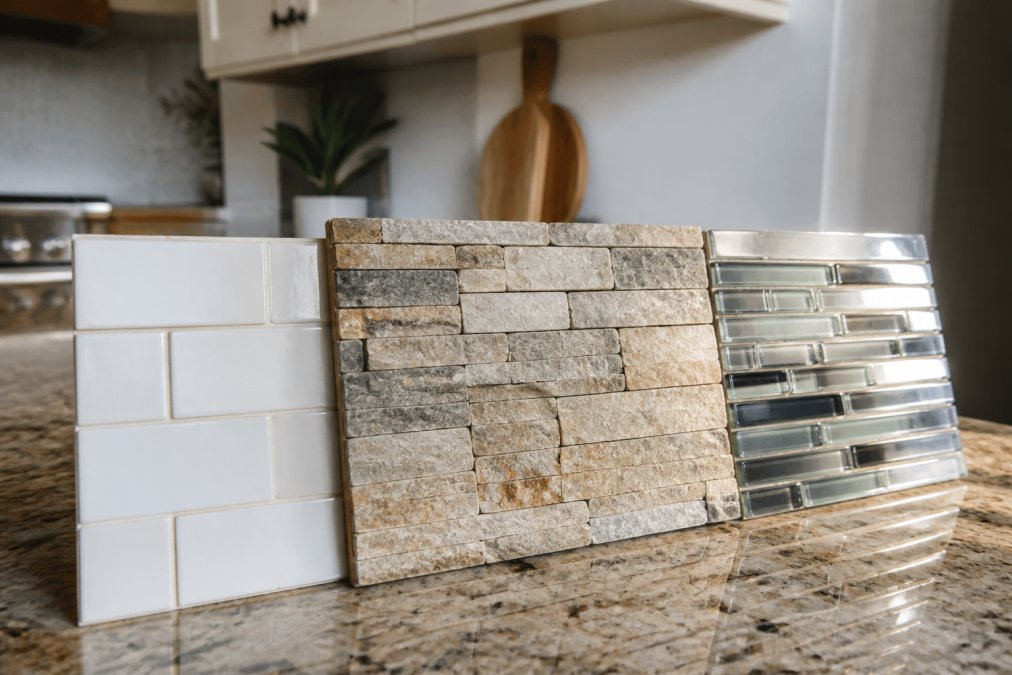
If your countertop is a busy pattern like granite with multiple colors, choose a simpler backsplash that lets the countertop remain the dominant visual element. A solid subway tile or neutral stone complements patterned counters without competing for attention. Conversely, if your countertop is solid quartz or marble in a single color, your backsplash becomes an opportunity to introduce visual interest through pattern, texture, or color contrast.
The material relationship also affects maintenance. Porous countertops like natural stone pair well with non-porous backsplash materials like glass or glazed ceramic, which resist staining differently. Matching material porosity isn't strictly necessary, but understanding how each material handles moisture and staining helps you choose complementary surfaces that age similarly.
Consider the color temperature of both surfaces. Warm-toned granite pairs naturally with earth-toned backsplash tiles, while cool-toned quartz works better with blues, grays, or whites. This doesn't mean you must match exactly, contrast can be striking, but intentional choices work better than random combinations.
Kitchen Backsplash Material Comparison
Selecting the right material for your kitchen backsplash design requires understanding how each option performs under real kitchen conditions. Different materials respond differently to heat, moisture, and daily wear.
Ceramic and Porcelain Tile
Ceramic tile remains the most popular choice for kitchen backsplashes because it balances affordability, durability, and aesthetic variety. Ceramic is fired clay that's glazed and hardened, creating a water-resistant surface suitable for kitchens. The glaze prevents moisture penetration, though the grout between tiles remains vulnerable to staining and mold if not sealed properly.
Porcelain is a denser, more refined version of ceramic. It's fired at higher temperatures, making it harder and less porous than standard ceramic. For kitchens, porcelain offers superior stain resistance and durability, particularly in high-traffic areas or homes with frequent cooking. The trade-off is that porcelain typically costs more than ceramic, though both remain budget-friendly compared to stone or glass options.
Installation of ceramic and porcelain tiles is straightforward, which keeps labor costs reasonable. Both materials come in endless colors, sizes, and finishes, from classic subway tiles to intricate mosaics. Maintenance involves regular cleaning with mild soap and occasional grout sealing to prevent discoloration. The main drawback is that grout lines collect debris and require attention, and cracked tiles must be replaced individually.
Natural Stone Options
Natural stone, including marble, granite, slate, and limestone, brings organic beauty and timeless elegance to any kitchen backsplash design. Each stone is unique, with natural color variations and veining that add character impossible to replicate with manufactured materials.
However, natural stone requires significantly more maintenance than ceramic or porcelain. Most natural stones are porous, meaning they absorb liquids and can stain easily. Marble, while stunning, is particularly vulnerable to acidic substances like lemon juice and vinegar. Granite is more durable and stain-resistant than marble but still needs regular sealing, typically every 1-2 years, to maintain its protective barrier.
Installation costs for stone backsplashes run higher because each piece must be cut, finished, and sealed professionally. The material itself costs more than tile, and labor is more intensive. Despite these costs, many homeowners choose stone for its permanence and the perception of luxury it brings to a kitchen.
Slate offers a middle ground: it's harder than marble, less porous than limestone, and develops a naturally weathered appearance that hides water spots and minor stains. Limestone is softer and more prone to etching but offers warm, earthy tones that work beautifully in traditional or farmhouse kitchens.
Glass and Metal Alternatives
Glass backsplashes create a modern, sleek aesthetic and reflect light to brighten smaller kitchens. Tempered glass is non-porous, non-absorbent, and incredibly easy to clean, a single wipe removes splashes and spills. Glass doesn't stain, doesn't require sealing, and resists bacteria growth, making it the most hygienic backsplash option available.
The drawback is that glass shows every fingerprint and water spot, requiring frequent cleaning to maintain its pristine appearance. Glass can also crack if struck hard or exposed to extreme temperature changes, though tempered glass is more resistant to breakage than standard glass. Installation requires precision because glass must be cut exactly to fit your space, and edges must be professionally finished for safety.
Metal backsplashes, typically stainless steel or copper, appeal to industrial or contemporary kitchen designs. Stainless steel is durable, non-porous, and hygienic, making it popular in professional kitchens. However, it scratches easily and shows fingerprints prominently. Copper develops a natural patina over time, adding character but requiring maintenance to preserve its finish if you prefer the shiny original appearance.
Both glass and metal cost more than ceramic tile but less than high-end natural stone. They're ideal for kitchens where aesthetics and ease of cleaning outweigh budget concerns.
Backsplash Tile Installation Cost and Budget Planning
Understanding the full cost structure of a kitchen backsplash design project helps you make informed decisions and avoid surprises. The total investment includes materials, labor, and any necessary preparation work.
Material costs vary dramatically based on your choice. Ceramic tile typically runs $5-15 per square foot, while porcelain ranges from $10-20 per square foot. Natural stone costs $15-40 per square foot depending on the specific stone type. Glass and metal options fall in the $20-50 per square foot range. For a typical 50-square-foot backsplash area, material costs alone might range from $250 to $2,500.
Labor costs depend on your location, the complexity of your design, and whether any preparation work is needed. Simple tile installation with straight lines costs less than intricate patterns or custom cuts. If your existing backsplash requires removal or your wall needs preparation, labor costs increase accordingly.
Budget planning should include contingency funds for unexpected issues, discovering water damage behind the existing backsplash, uneven walls requiring extra prep work, or discovering that your chosen material needs special installation techniques. Adding 10-15% to your estimated total provides a safety margin.
When planning your budget, consider the long-term value. A slightly higher upfront investment in durable, low-maintenance materials like porcelain or glass often saves money on repairs and replacement over decades of kitchen use. Conversely, choosing budget materials that require frequent maintenance or early replacement represents poor long-term value.
Design Patterns and Layout Considerations
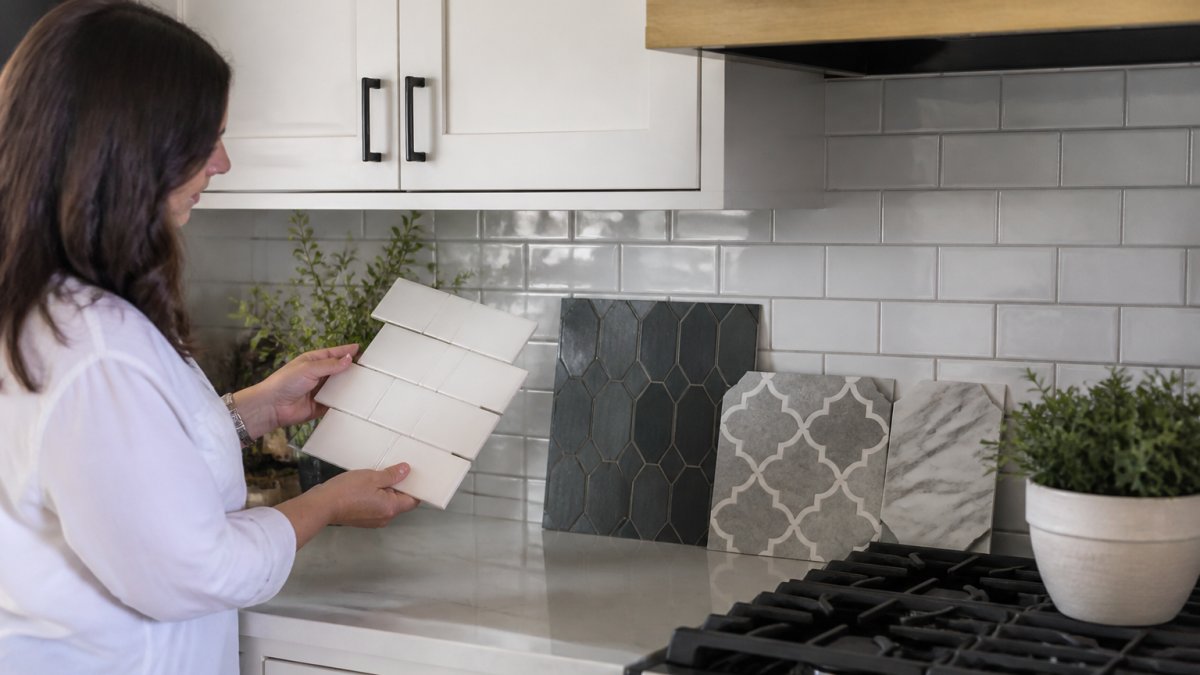
The pattern you choose for your kitchen backsplash design affects both visual impact and installation complexity. Straight-line layouts like subway tiles in a running bond pattern are classic, clean, and cost-effective because they require minimal cutting and waste.
Herringbone patterns create dynamic visual interest by arranging tiles at 45-degree angles. This pattern draws the eye and adds sophistication but requires more cuts, increasing both material waste and labor time. Chevron patterns, similar to herringbone but with pointed zigzags, offer even more dramatic visual impact but are even more labor-intensive.
Mosaic layouts combine multiple tile sizes or colors in deliberate patterns.
Common Mistakes to Avoid When Choosing a Backsplash
The biggest mistake homeowners make is choosing a backsplash design based purely on appearance without considering maintenance requirements. That beautiful dark grout you love in the showroom becomes a nightmare in a kitchen where you cook daily, grout stains, water spots show constantly, and cleaning becomes a weekly chore.
Working with a Professional for Your Backsplash Installation
Hiring a professional contractor for your kitchen backsplash design installation ensures quality results and protects your investment. A skilled installer understands how to prepare walls properly, handle material-specific requirements, and execute complex patterns correctly.
Frequently Asked Questions
How do I choose a backsplash that matches my kitchen cabinets?
Start by identifying your cabinet color and finish. For dark cabinets, lighter backsplash tiles create contrast and make the space feel larger. Light cabinets pair well with either neutral tones for a cohesive look or bolder colors for visual interest. Consider the undertones in your cabinet finish, warm wood benefits from warm-toned tiles, while cool grays pair better with cool-toned materials. Visit showrooms with cabinet samples to see how different backsplash options actually look together under your kitchen's lighting.
What are the most durable materials for a kitchen backsplash?
Porcelain tile and natural stone like granite rank among the most durable backsplash options. Porcelain resists moisture, staining, and heat exceptionally well, making it ideal for high-traffic kitchens. Natural stone requires sealing but offers longevity and timeless appeal. Glass and metal alternatives are also durable but may show fingerprints or water spots more easily. Avoid porous materials like unsealed marble in areas prone to splashing, as they stain readily and require frequent maintenance.
Should the backsplash be lighter or darker than the countertops?
Both approaches work, it depends on your kitchen's overall design. A backsplash lighter than your countertops brightens the wall space and creates visual separation, working especially well in smaller kitchens. A darker backsplash grounds the design and adds depth, complementing lighter countertops beautifully. The key is ensuring all three elements, cabinets, countertops, and backsplash, work together harmoniously. Test samples in your actual kitchen lighting before committing, as artificial and natural light dramatically affect how colors appear.
How much does it cost to install a new kitchen backsplash?
Backsplash installation costs vary significantly based on material selection, kitchen size, and labor complexity. Material pricing depends on quantity, quality, and where you source tiles. Professional installation adds labor costs that depend on your local market and project specifics. For an accurate estimate tailored to your kitchen, contact Handy Gonzo's Home Improvements for a free digital quote that breaks down materials, labor, and timeline clearly. This ensures you understand exactly what's included before work begins.